




Rotten Window Repair
Wood rot in window frames and sills is one of the most common — and most misunderstood — problems facing Long Island homeowners. Many people see soft, crumbling wood around a window and immediately assume the whole window needs to be replaced. In most cases, that’s not true.
At Prestige Window Works, we specialize in rotten window repair throughout Nassau County and Suffolk County. Our technicians assess the extent of rot damage on-site, remove only what can’t be saved, rebuild the affected area to full structural integrity, and seal it against future moisture intrusion — all without pulling out your existing window.
We’ve completed over 6,000 window and door repair projects across Long Island. Every rotten window repair comes with a 5-year warranty on workmanship and materials.
If you can see soft, dark, or crumbling wood anywhere around your window frames or sills, don’t wait. Rot spreads. The longer it’s left, the more expensive the repair becomes.
Call 516-908-8005 for a free on-site estimate. Same-day appointments available.
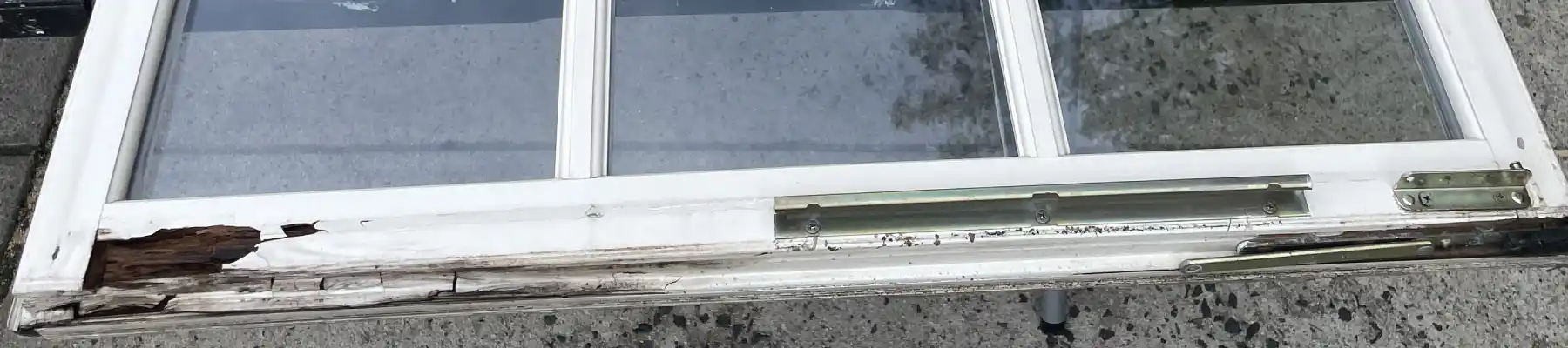
Why Window Rot Is So Common on Long Island
Long Island’s climate is one of the hardest on wood windows in the entire Northeast. Humid summers, freeze-thaw cycles in winter, and salt-laden air near the coast — especially in communities along the South Shore and in the Hamptons — all accelerate wood decay at a rate that homeowners in drier climates simply don’t experience.
Rot is caused by fungus. The fungus that destroys wood needs only four things to thrive: oxygen, warmth, food (the wood itself), and moisture. You can’t eliminate the first three, but you can control moisture — and that’s exactly what Prestige’s rotten window repair process is designed to do.
The most vulnerable spots on every window:
- Bottom corners of the frame where water pools
- Window sills — they sit horizontally and collect rain directly
- Bottom rails of the lower sash
- The joint where the frame meets exterior siding
- Any area where paint has peeled, exposing bare wood to rain
A small soft spot at the corner of a sill in spring can become a structurally compromised frame by autumn if left untreated. We see this progression constantly on service calls across Nassau County and Suffolk County.
How to Tell If Your Window Has Wood Rot — 6 Warning Signs
You don’t need to be a contractor to spot early rot. Check your windows for any of these signs — if you see two or more, call us:
1. Soft or spongy wood when you press it Take a firm finger or a screwdriver handle and press on the wood around the frame corners and sill. Healthy wood doesn’t give. If the wood feels soft, compresses under light pressure, or your fingernail can dent it easily, rot is present.
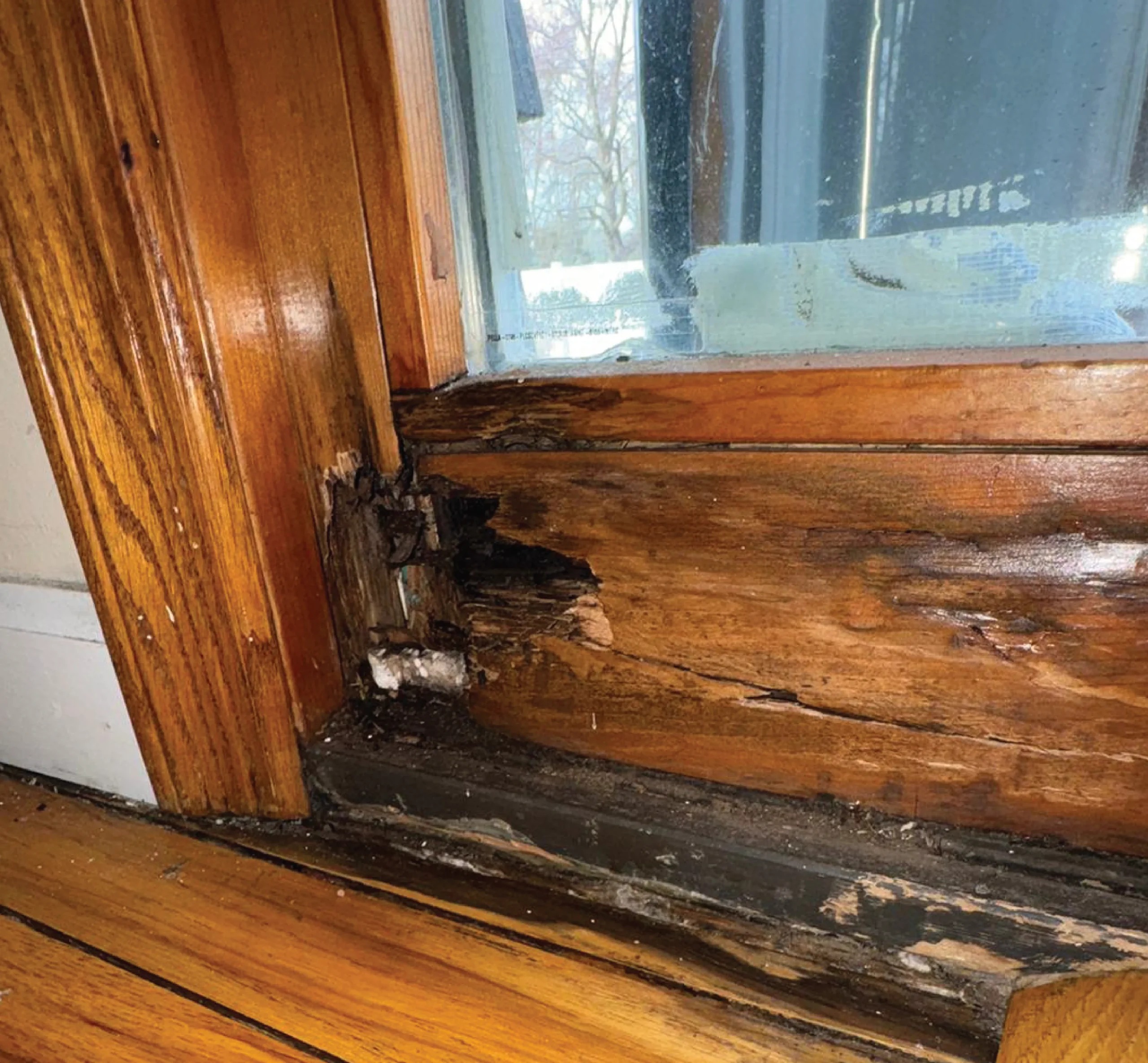
2. Discoloration — dark brown, grey, or black patches Healthy exterior wood paint is uniform. Dark staining at the base of frames, across sills, or at joints almost always indicates moisture penetration and early fungal activity underneath.
3. Paint that peels or bubbles from the outside only Paint bubbling on the exterior surface of a window frame (not the interior) means moisture is coming from inside the wood and pushing the paint off. The wood beneath is wet and may already be rotting.
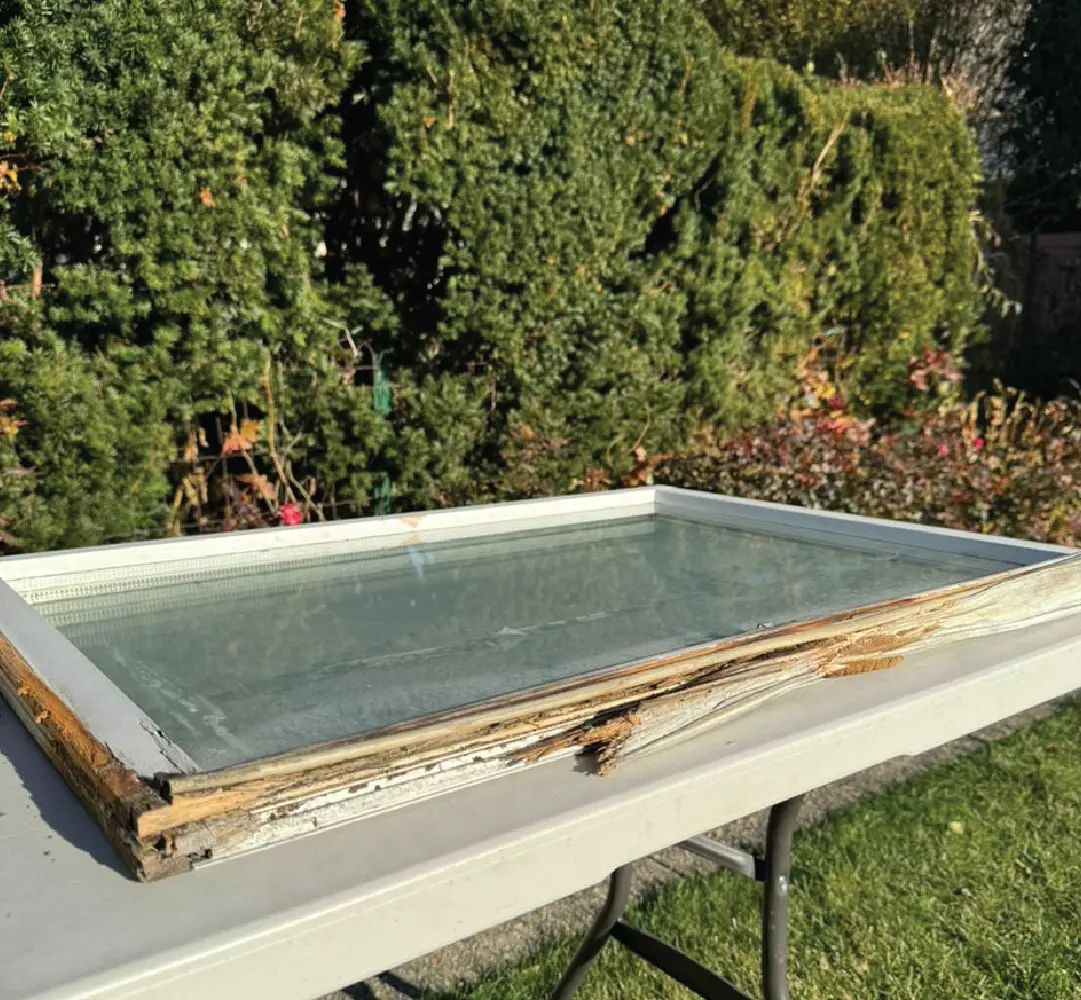
4. Visible cracks along the grain Wood rot often follows the grain of the wood, creating a cracked, cuboid pattern sometimes called “cubical rot” or “brown rot.” If you see this pattern anywhere on your window frames, the structural wood fibers have already begun to break down.
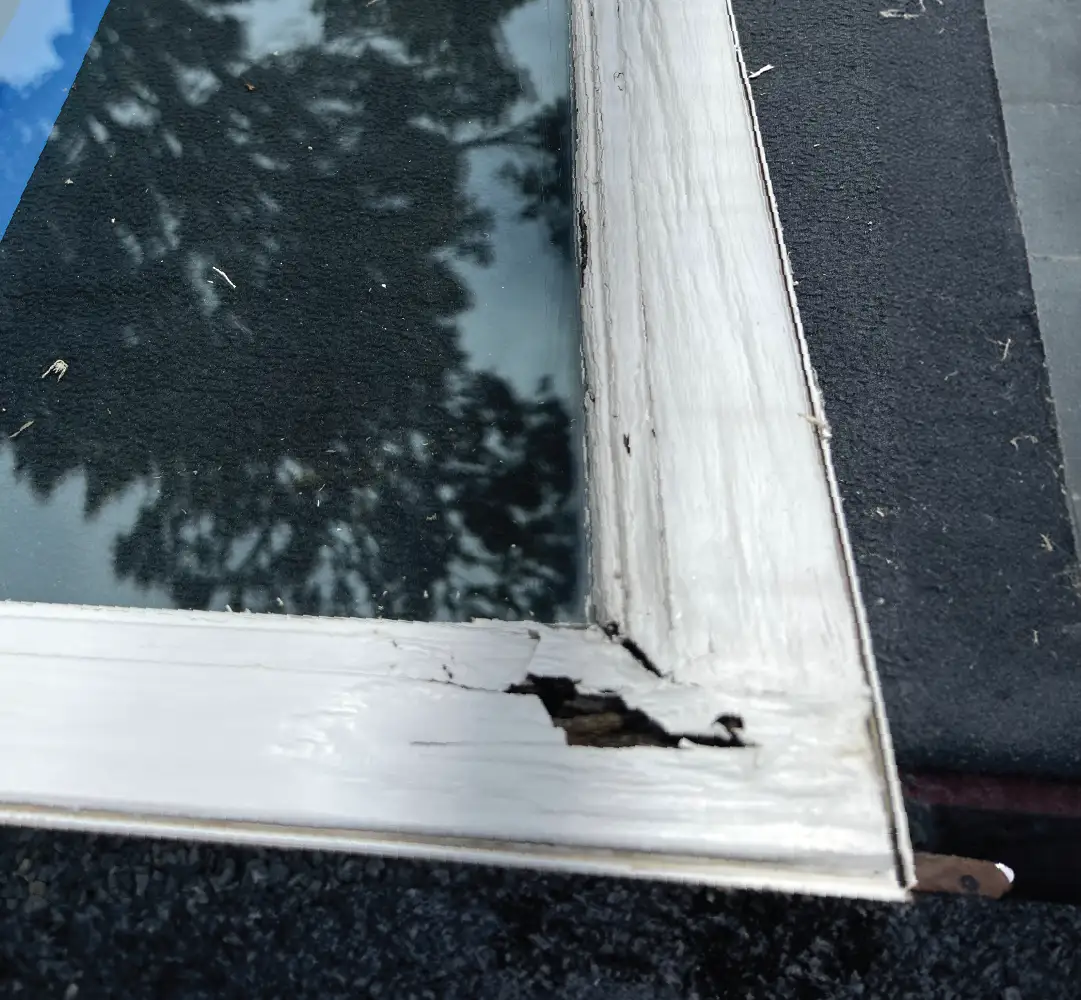
5. Gaps opening up at frame joints When wood rots, it shrinks. Gaps that appear at the corners of window frames — where the vertical stiles meet the horizontal rails — mean the wood has lost mass. Air and water are now getting directly inside.
6. Drafts or condensation on the interior glass These are late-stage symptoms. If you’re feeling cold air through a closed wood window or seeing persistent condensation on the inside of the glass, moisture has already penetrated deep into the frame system. This needs immediate attention.
Our Rotten Window Repair Process
We do not use generic fillers or cosmetic patches that hide rot without actually curing it. Here is the exact process we use on every job:
Step 1 — Free On-Site Assessment
One of our technicians visits your home and inspects every affected window. We probe the wood to find the full extent of the rot — including areas that aren’t yet visible from the surface. You’ll receive a written estimate on-site before any work begins. No surprises, no hidden fees discovered later.
Step 2 — Remove All Compromised Wood
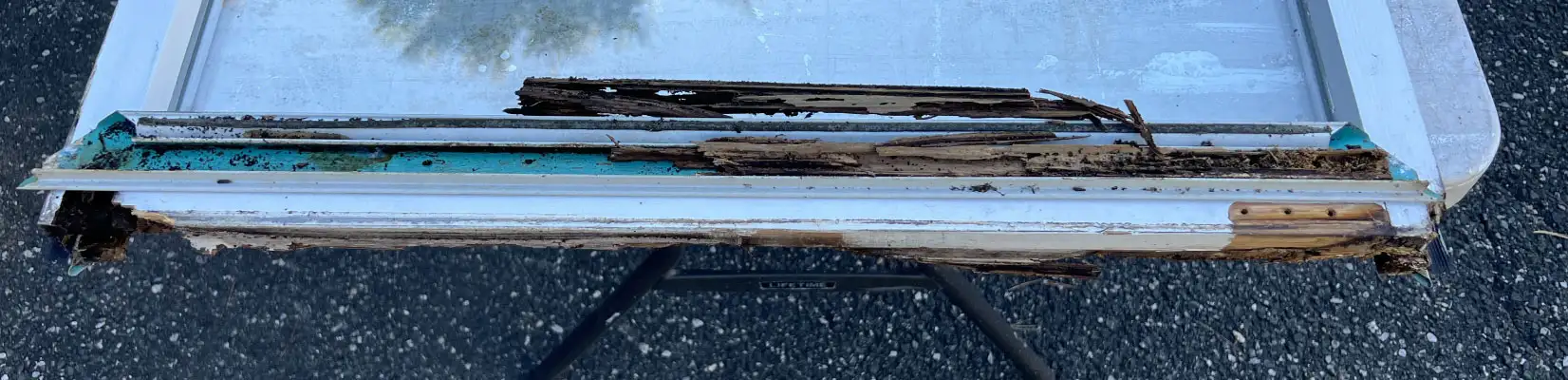
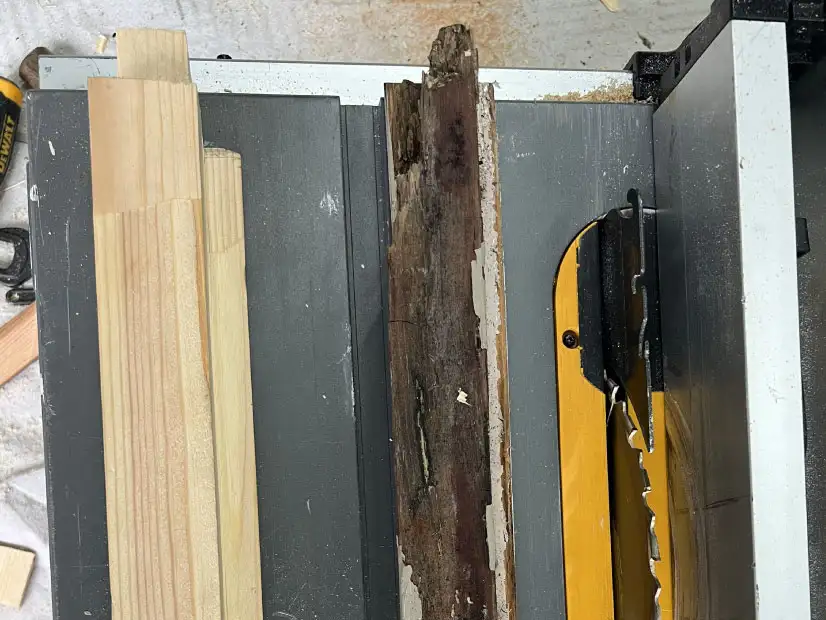
We remove every piece of structurally compromised wood down to clean, solid material. Leaving rot behind — even a small amount — means the fungus continues to grow under the repair. We don’t do cosmetic patches.
Step 3 — Apply Borate Treatment
Before filling or rebuilding, we treat the exposed wood and surrounding area with a penetrating borate solution. Borates are the industry standard in fungicidal wood treatment. They kill any remaining rot spores and protect the surrounding sound wood from future fungal attack. This step is what separates a repair that lasts from one that fails in two years.
Step 4 — Rebuild with Epoxy or Dutchman Repair
Depending on how much wood was removed:
Epoxy consolidation and filler — for smaller voids, we apply a two-part epoxy wood consolidant to harden any remaining soft fibers, then fill the void with epoxy filler. When cured, epoxy is harder than the original wood, takes paint perfectly, and does not absorb moisture.
Dutchman repair — for larger structural sections, we cut out the damaged area cleanly and splice in a matching piece of wood. This is the traditional carpentry method and the right choice when significant structural material needs to be replaced.
Step 5 — Prime, Seal, and Paint
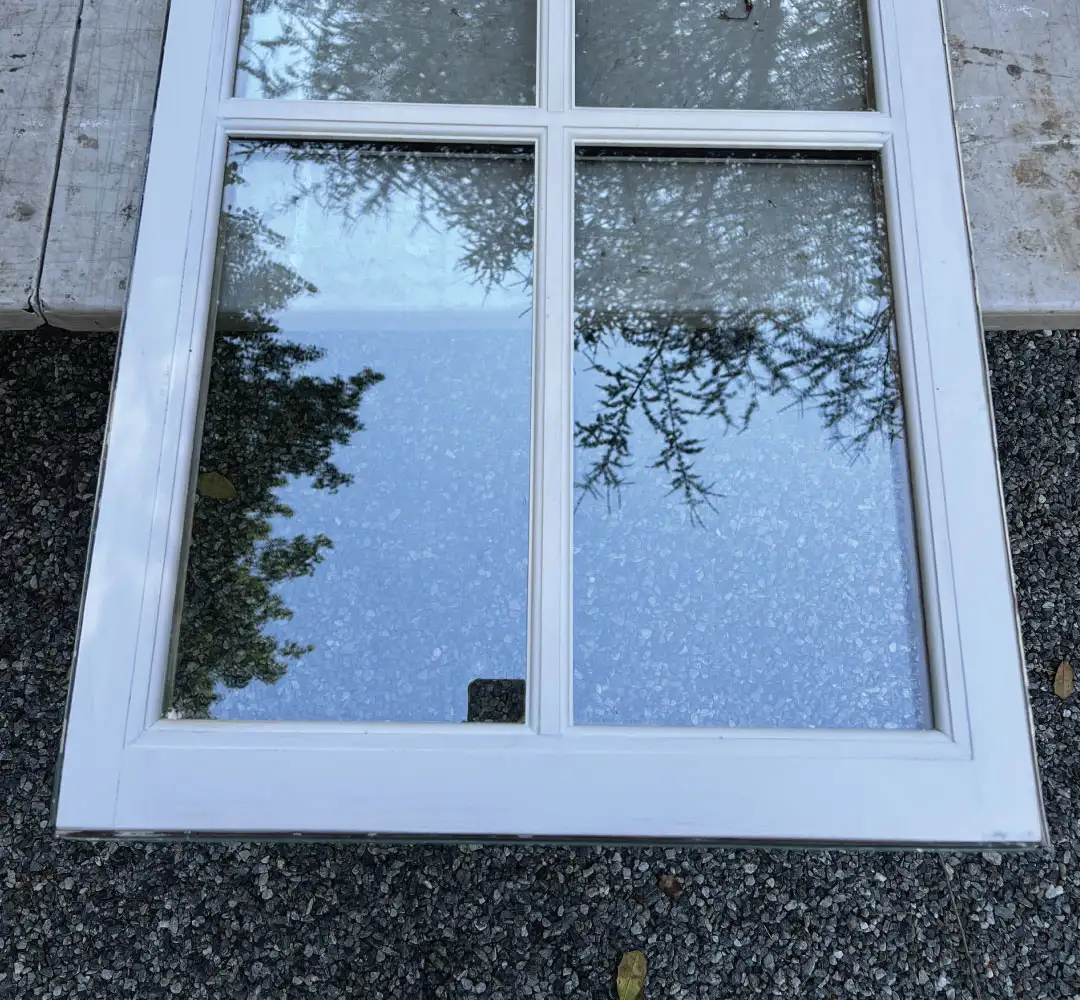
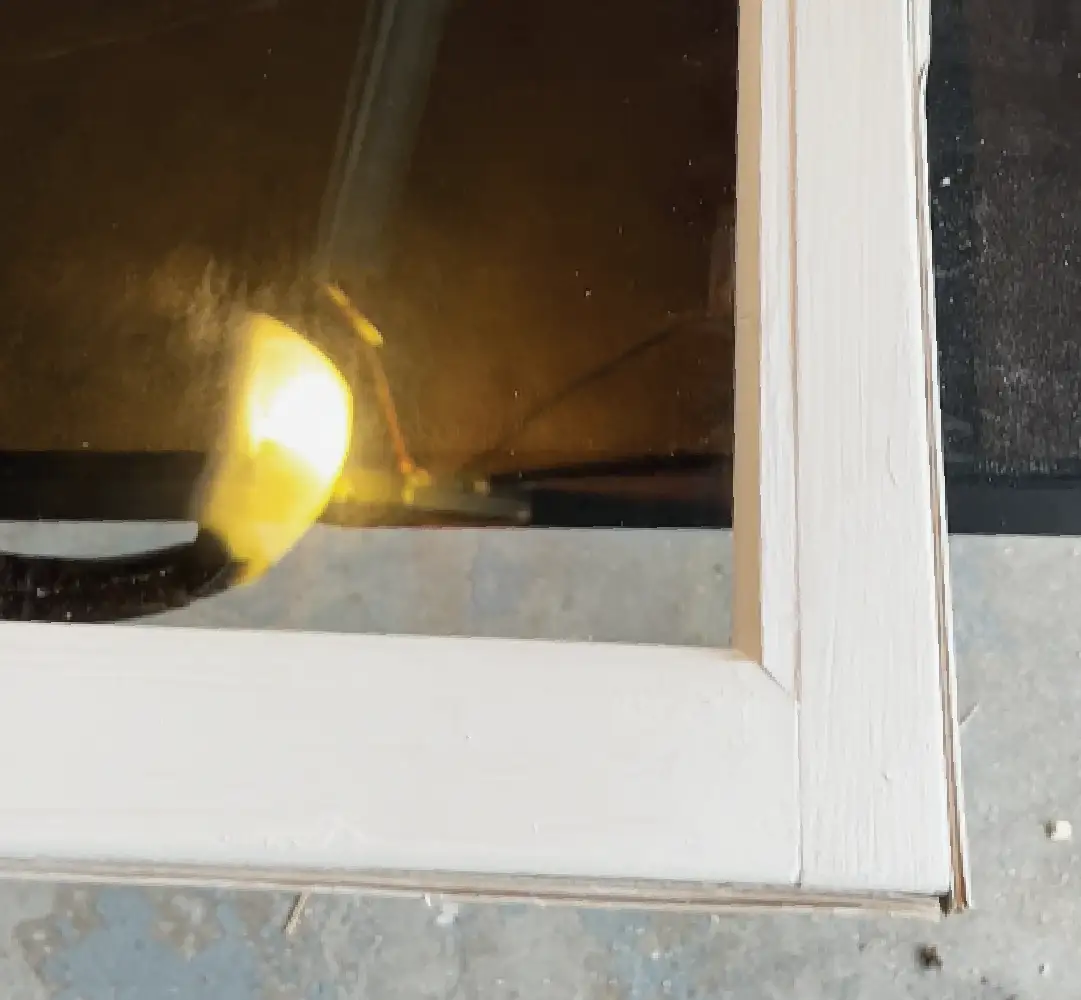
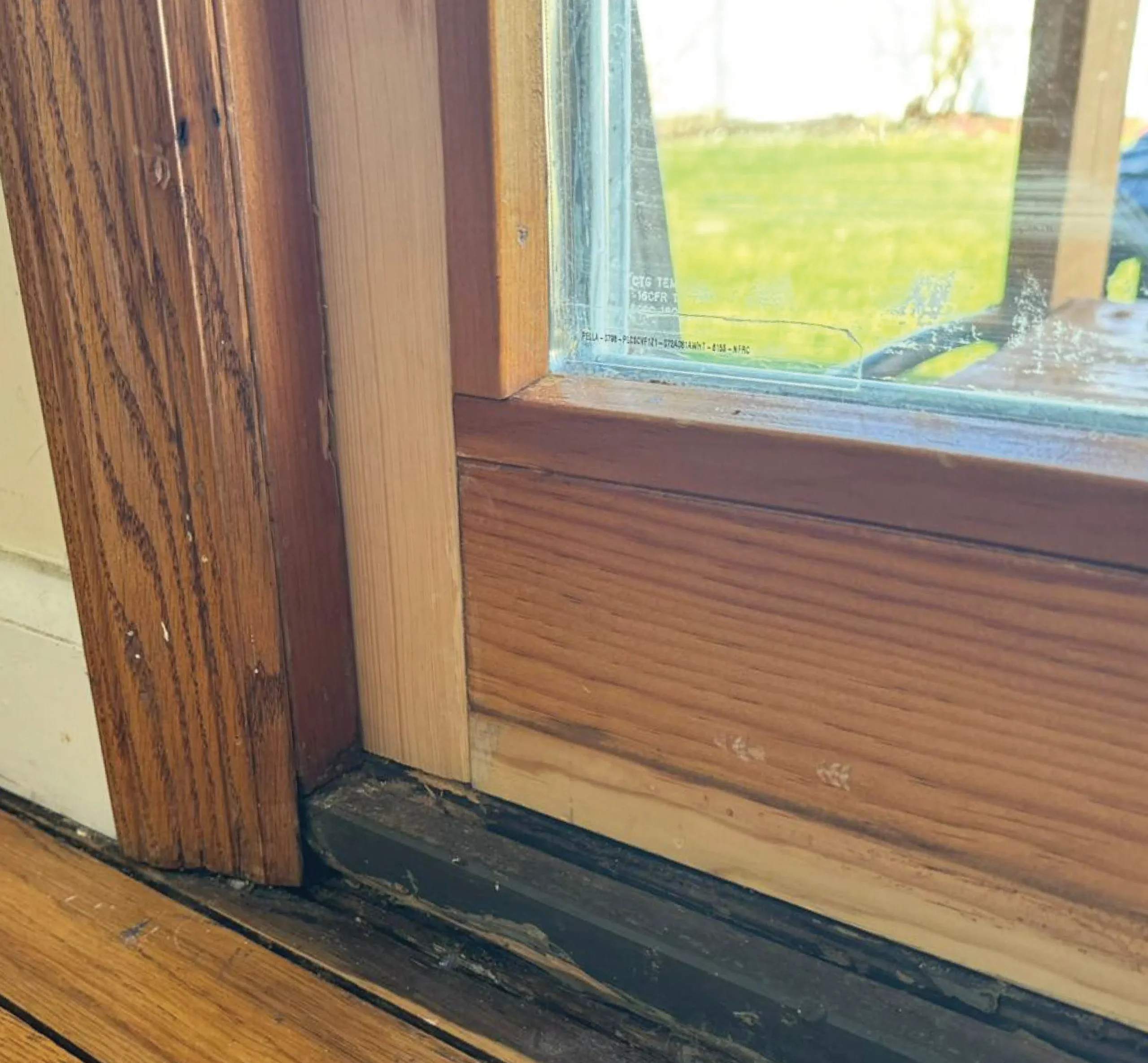
Once the repair has cured, we prime the repaired area, apply exterior-grade sealant at all joints and edges, and paint to match your existing exterior color. The finished repair is indistinguishable from the original window.
Step 6 — Identify and Fix the Moisture Source
A repair that doesn’t address what caused the rot in the first place will fail. We always identify the moisture entry point — whether that’s failed caulking, a missing drip cap, peeling paint elsewhere, or a flashing problem — and either fix it as part of the job or clearly advise you on what needs to be done. We also offer window recaulking as part of a combined service call.
What We Repair — Every Type of Rotten Window Component
Rotted Window Sills
The sill is the most commonly rotted part of any window. It sits horizontally, collects rain, and is the first place water sits after a storm. We rebuild rotted sills using epoxy or replacement timber and regrade the slope to ensure water drains away from the frame rather than pooling.
Rotted Window Frames
The vertical and horizontal frame members (stiles, rails, and jambs) rot from the outside in, typically starting at end grain or paint failure points. We repair individual sections without replacing the entire frame in the majority of cases.
Rotted Sash
The sash — the part that holds the glass — can rot at the corners and bottom rail, particularly in double-hung windows and casement windows. We repair or rebuild rotted sash sections while preserving your original glass where it’s undamaged.
Rotted Window Surrounds and Exterior Trim
The decorative trim around windows is often the first part to show rot because it’s exposed on all sides. We repair or replace rotted exterior trim and ensure the new sections are properly integrated and sealed.
Rotted Door Frames
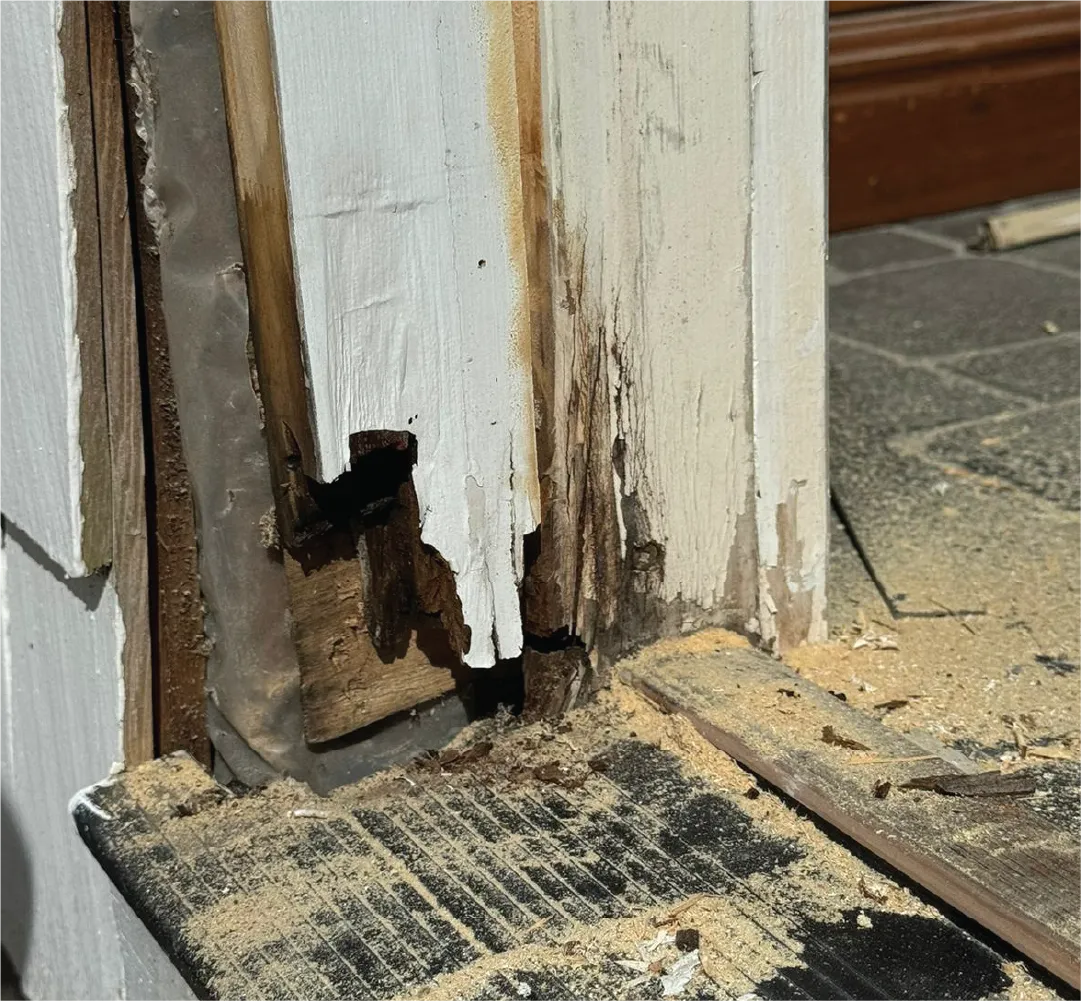
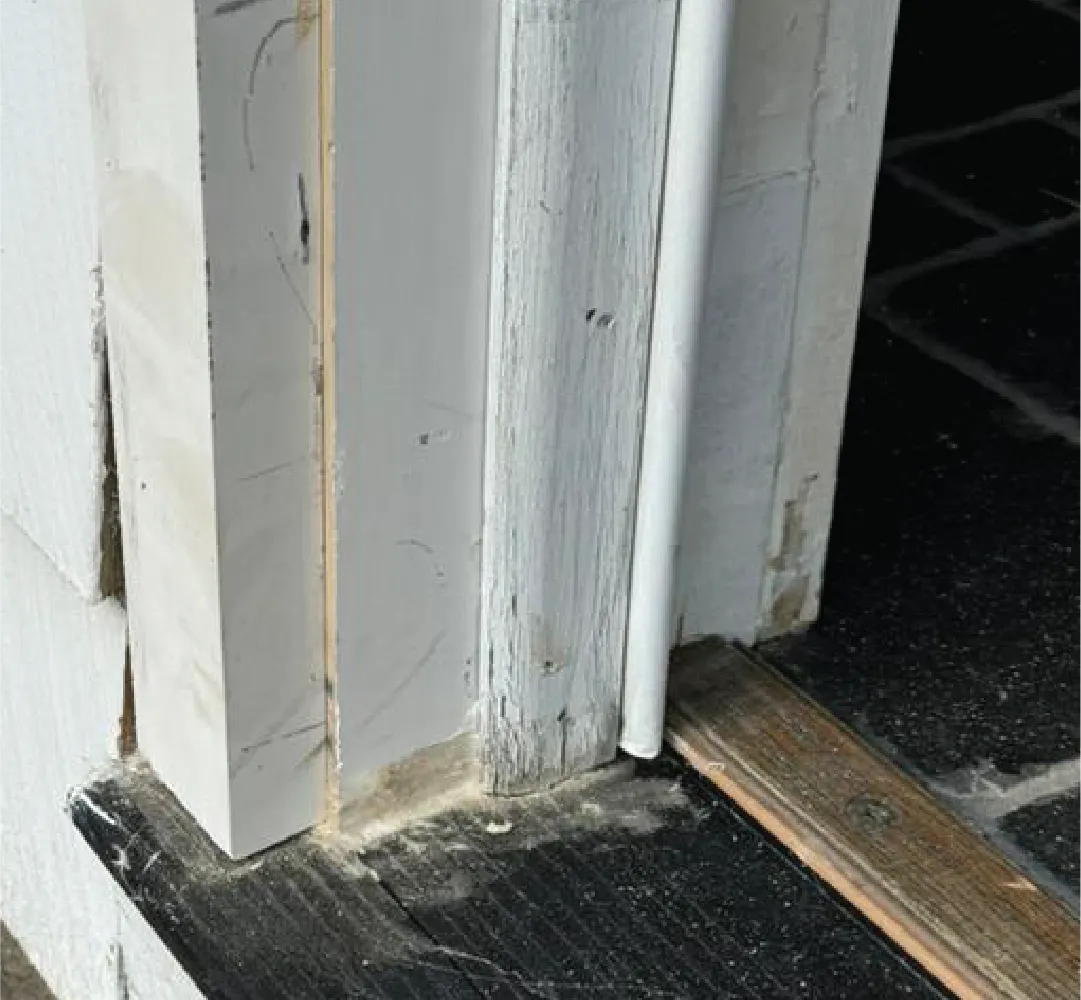
The same rot problems that affect windows affect exterior door frames — especially at the bottom where the frame meets the threshold. If you have rot around a door as well as a window, we can address both in a single visit. See our door adjustment service for related door repair work.
Rotten Window Repair vs. Full Window Replacement — What’s Right for You?
This is the most common question we get on rot repair calls. The answer depends on how far the rot has progressed — but repair is the right choice in the majority of cases.
Choose repair when:
Rot affects less than 50–60% of the frame structure
The sash is still sound even if the frame has damage
The windows are original to the house (pre-1980 old-growth timber that can’t be replicated)
The property is in a historic district — many areas in Garden City, Oyster Bay, Sag Harbor, and Cold Spring Harbor restrict or prohibit window replacement
Budget is a factor — repair typically costs $200–$700 per window vs. $800–$2,500 for full replacement
Consider replacement when:
More than 60% of the structural frame is compromised
The rot has spread into the rough opening, affecting the structural framing of the wall
The window is a relatively modern replacement with no historical significance
Multiple windows need work and replacement economics make more sense at scale
We will tell you honestly which situation you’re in. If replacement makes more sense, we’ll say so — we have no interest in selling a repair that won’t hold.
Rotten Window Repair for All Window Brands
We repair rotted frames, sills, and surrounds on wood windows and wood-clad windows from every major manufacturer:
Andersen windows — wood and wood-clad units including 400 Series
Marvin windows — Ultimate and Integrity series wood frames
Pella windows — wood core and Architect Series
All other wood-framed and wood-clad window brands
Rotten Window Repair Across Nassau and Suffolk County
We provide rotten window repair throughout Long Island, NY from our two service offices:
Our Manhasset office serves all of Nassau County, including: Great Neck · Port Washington · Roslyn · Garden City · Hempstead · Levittown · Massapequa · Oyster Bay · Hicksville · Westbury · Old Westbury · Manhasset
Our Hauppauge office serves all of Suffolk County, including: Huntington · Smithtown · Commack · Bay Shore · Babylon · Patchogue · Riverhead · East Hampton · Sag Harbor · Cold Spring Harbor · Stony Brook · Ronkonkoma
Don’t see your town? We serve all of Long Island. Call 516-908-8005 and we’ll confirm coverage for your area.
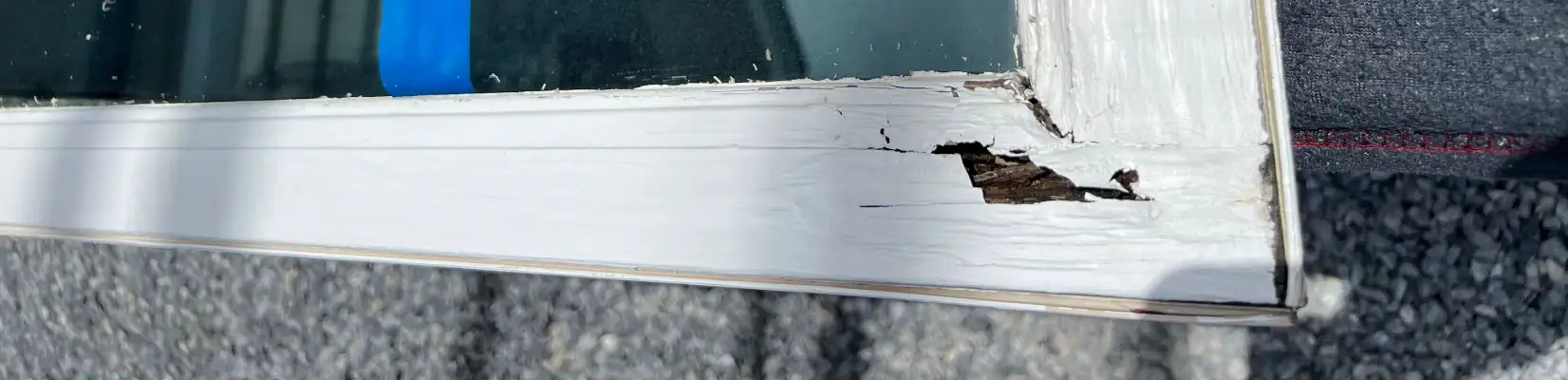

Full Rot Removal
We remove every piece of compromised wood down to clean, solid material — no cosmetic patches that hide rot without curing it.
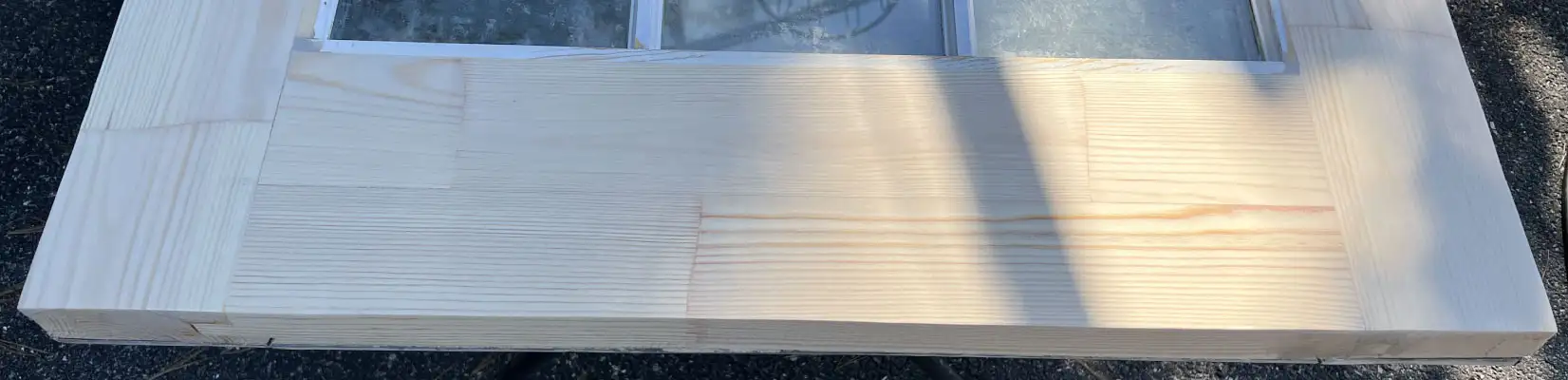
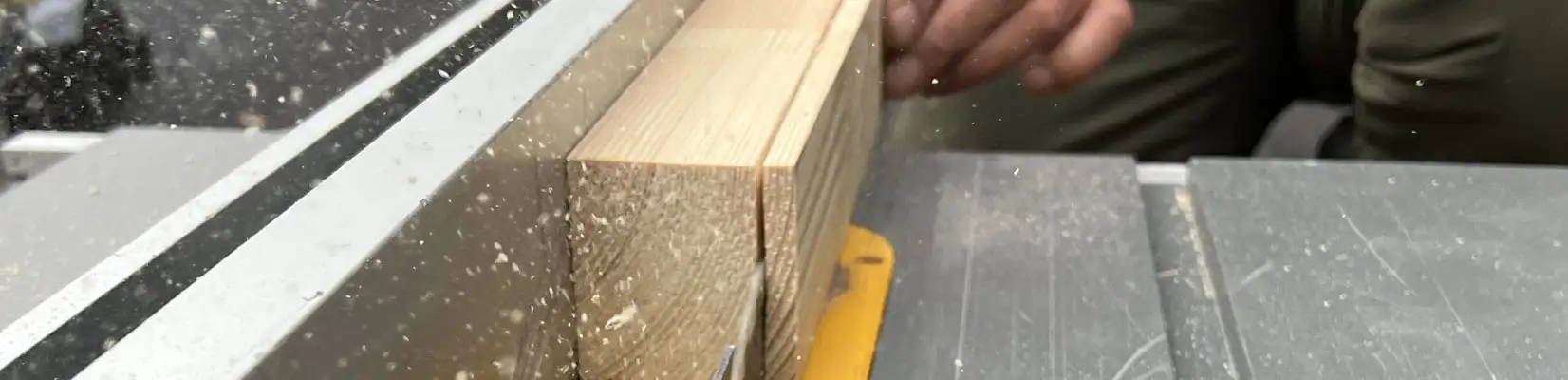
Epoxy or Timber Rebuild
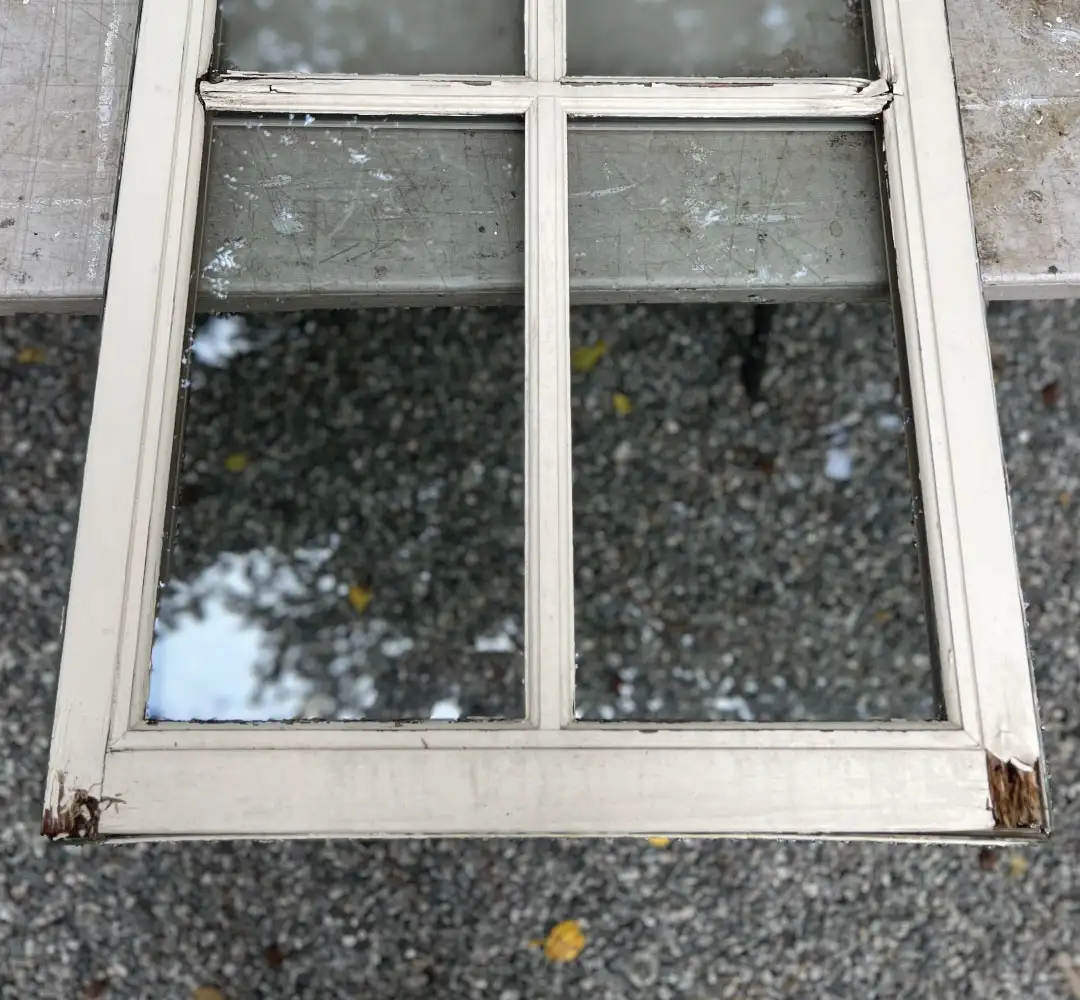
Depending on the extent of damage, we rebuild using two-part epoxy filler or Dutchman timber repair — both methods restore full structural integrity and take paint perfectly.
5-Year Warranty
All rotten window repairs are backed by a 5-year workmanship warranty covering both the repair and the moisture sealing work performed.
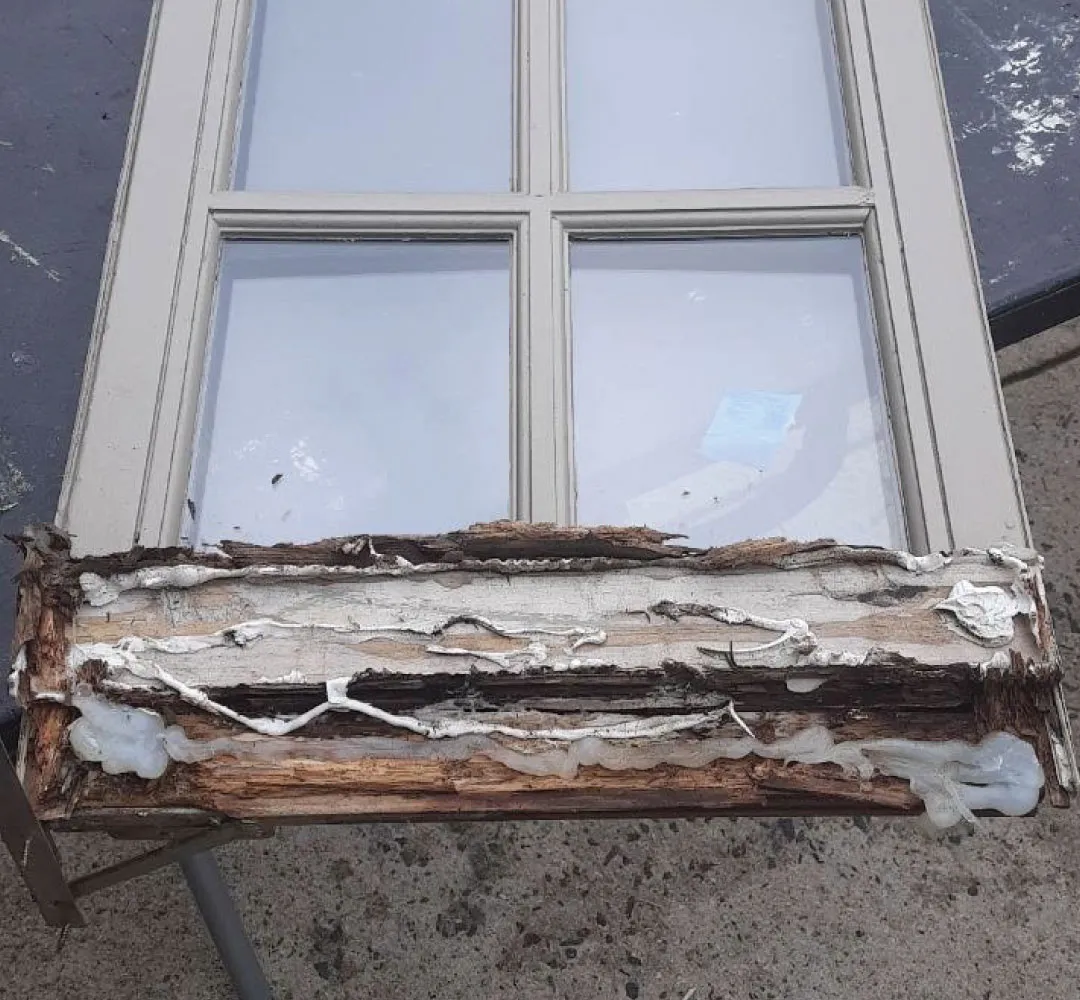
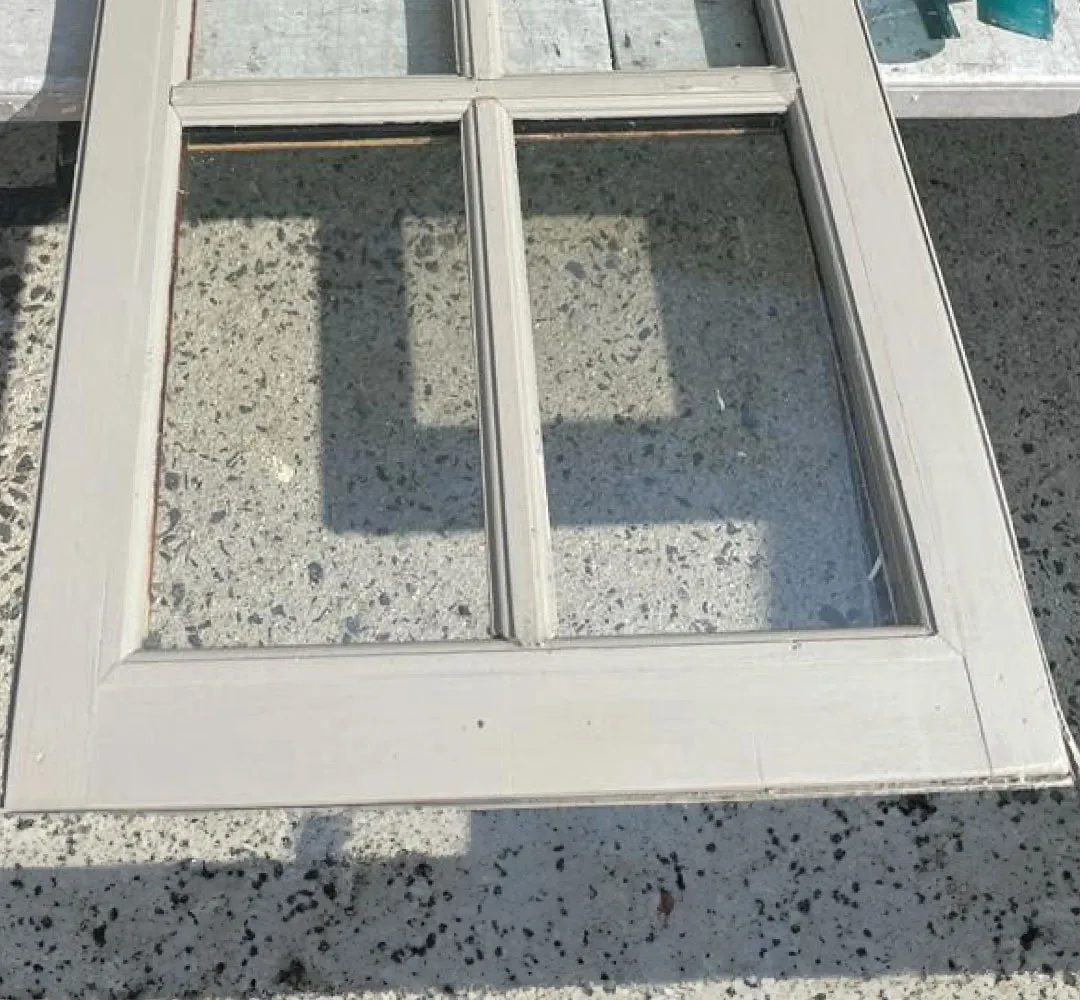
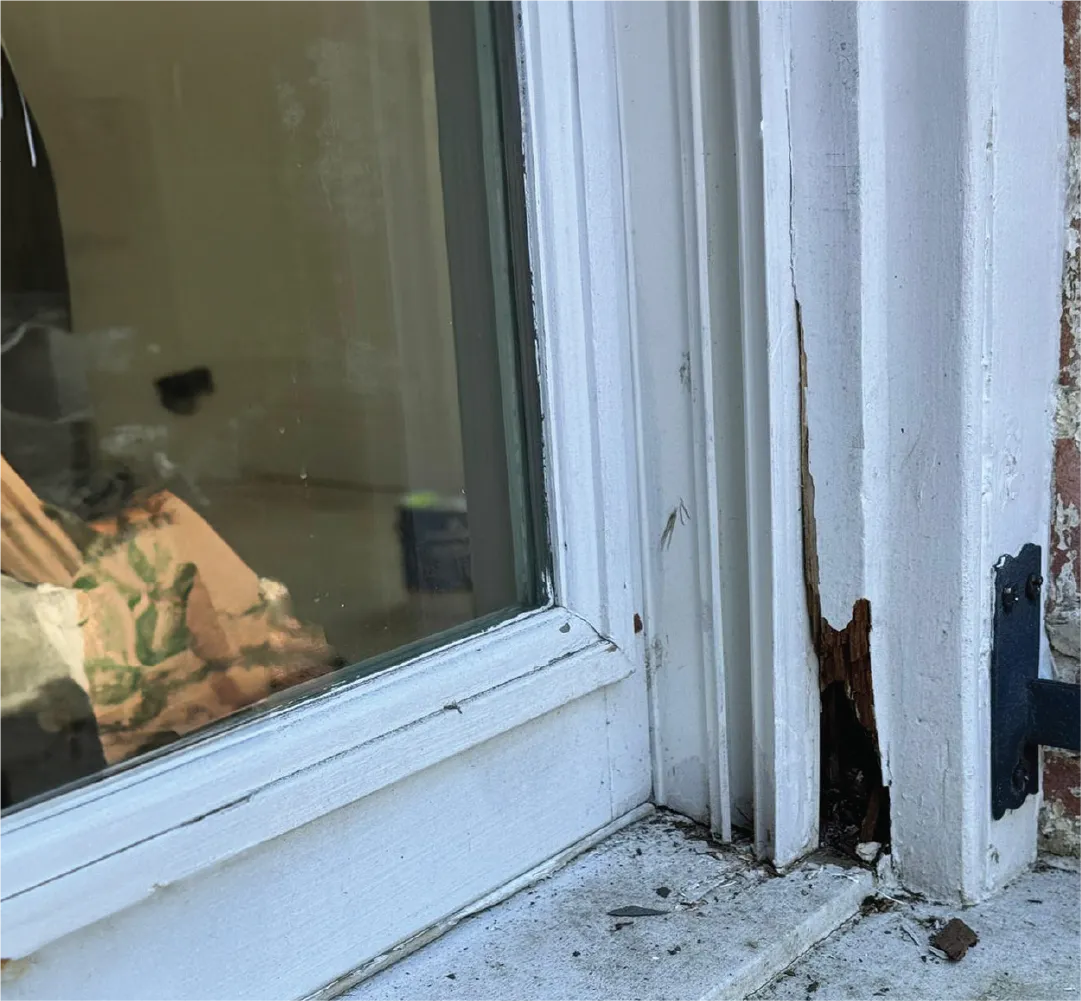
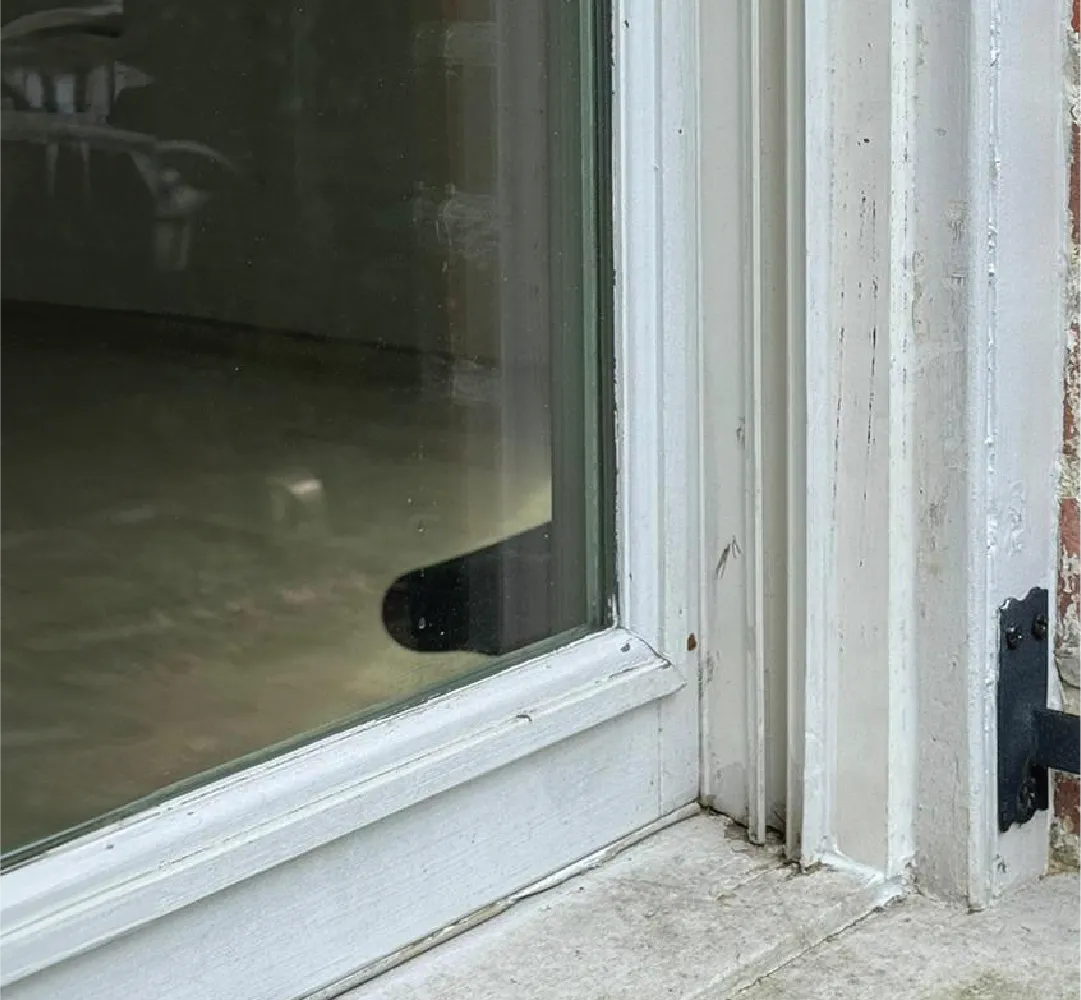
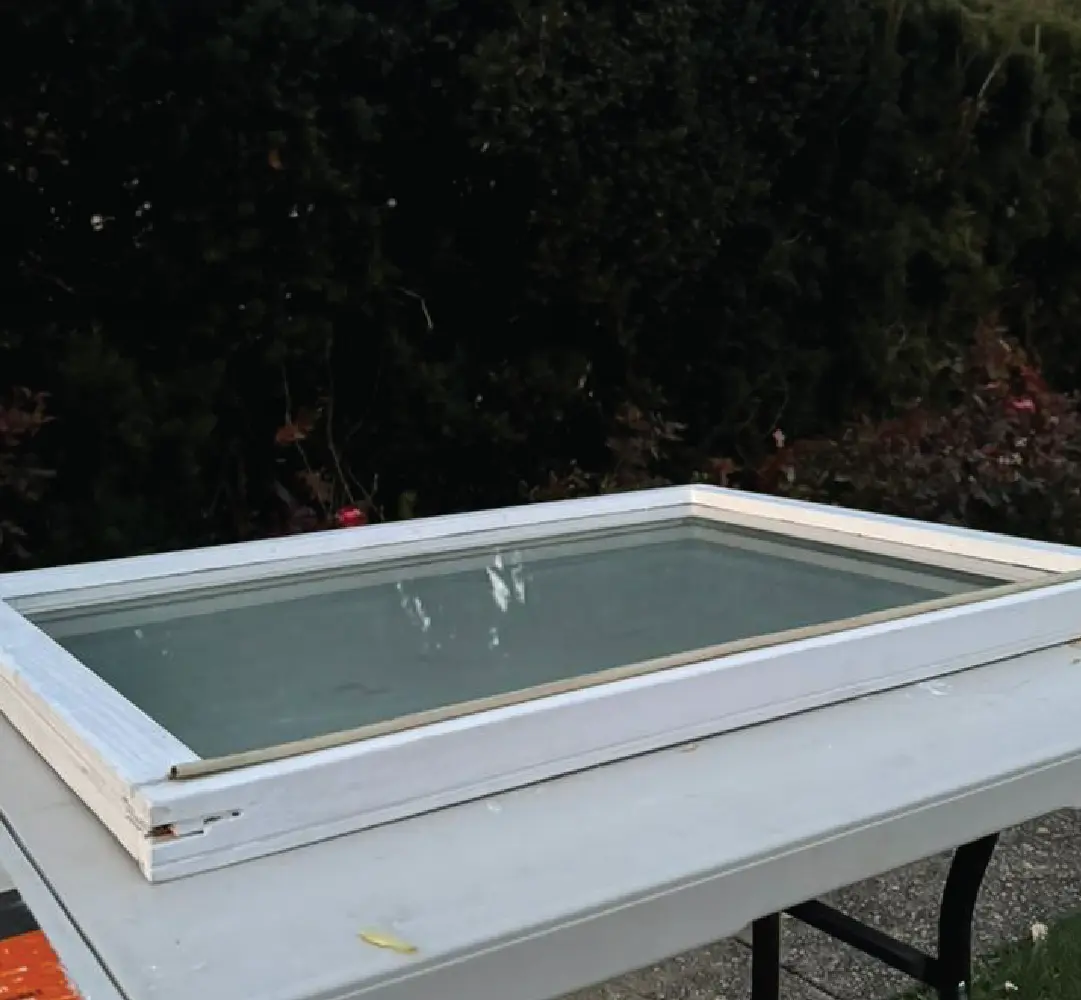
View our before and after photos


THE MOST POPULAR QUESTIONS
AREAS WE SERVE
Looking for window and door repair or replacement services in Long Island?
Contact our team of on-site specialists for all your needs.
other services we provide
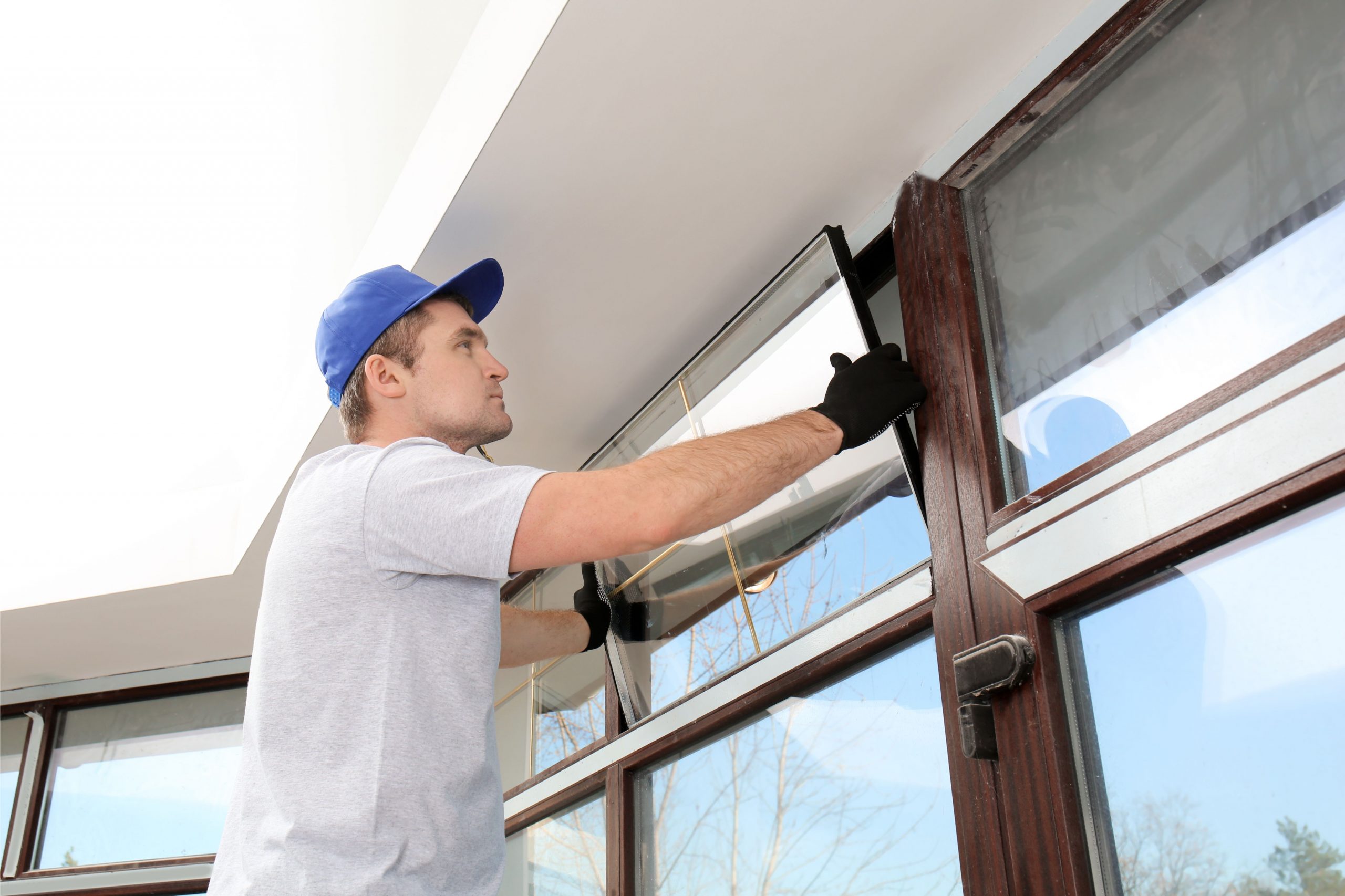
Glass Replacement
Fast, professional glass replacement for homes and businesses across Long Island, NY.
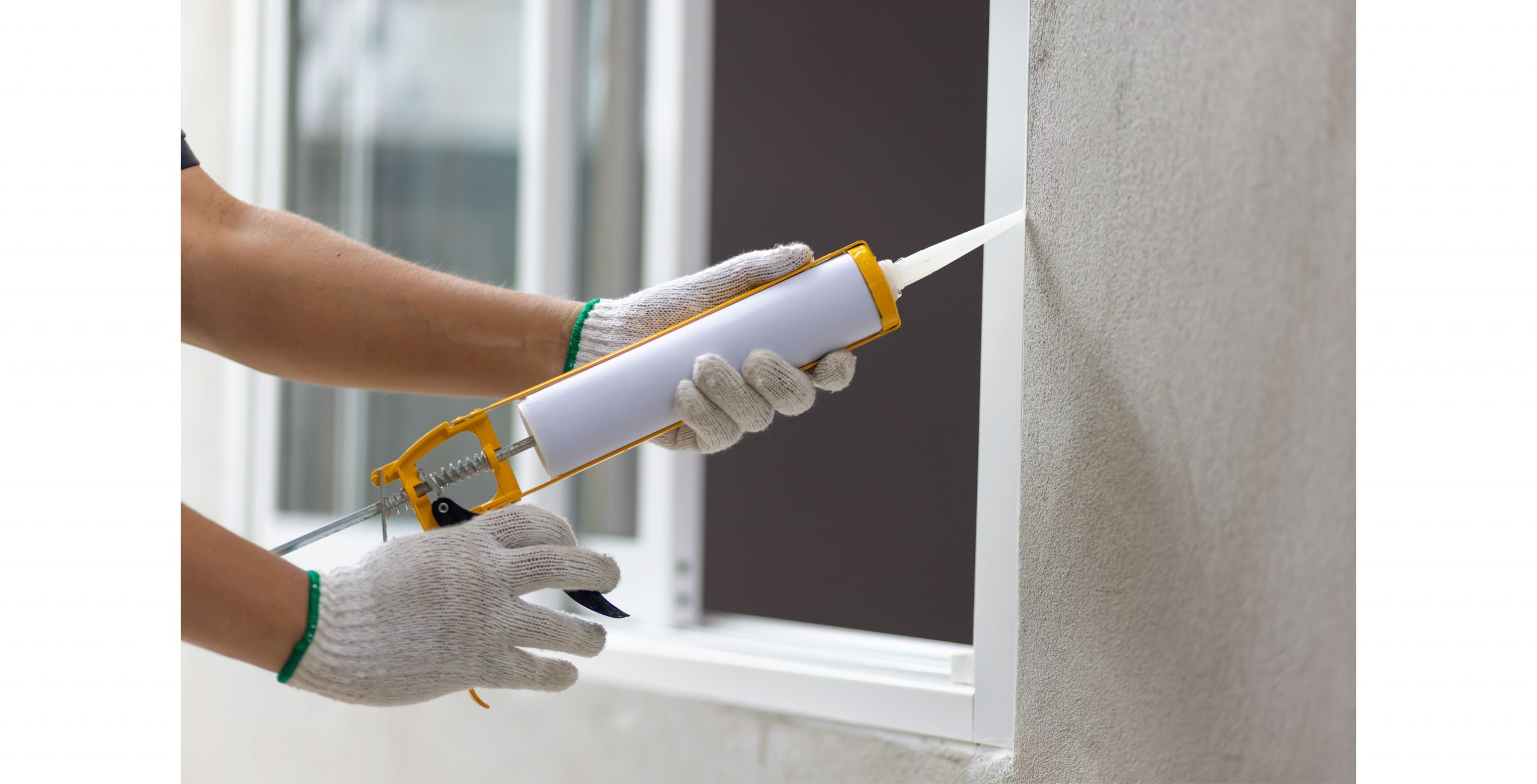
Window Recaulking
Sealing is a crucial aspect of window installation or repair work. This process, also referred to as caulking, entails the application of a thin strip of sealant around the perimeter of the window joint.
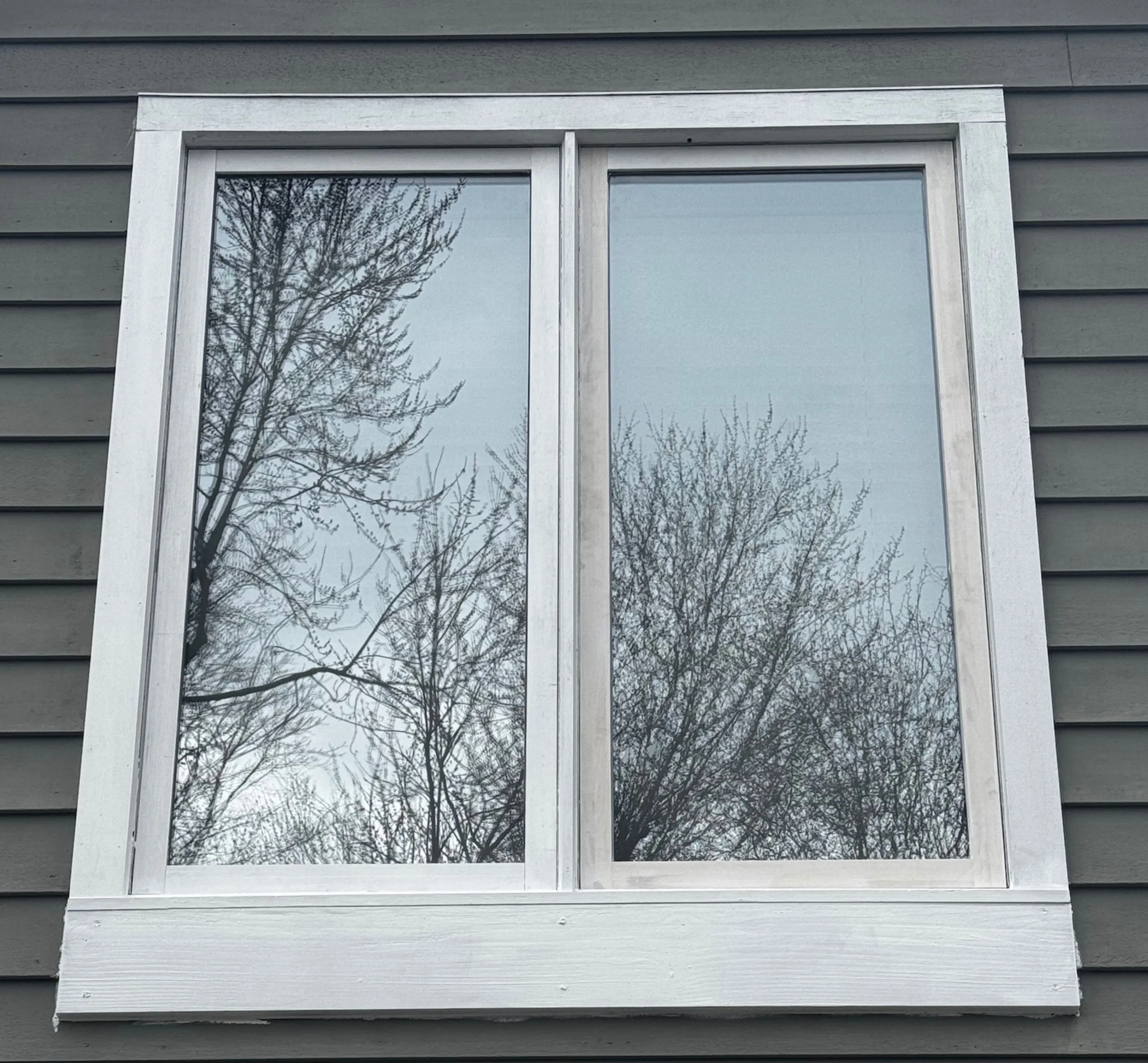
Rotten Window Repair
Rot won't stop spreading on its own — we remove it completely, rebuild the frame, and seal it for good. Dive in to learn more!
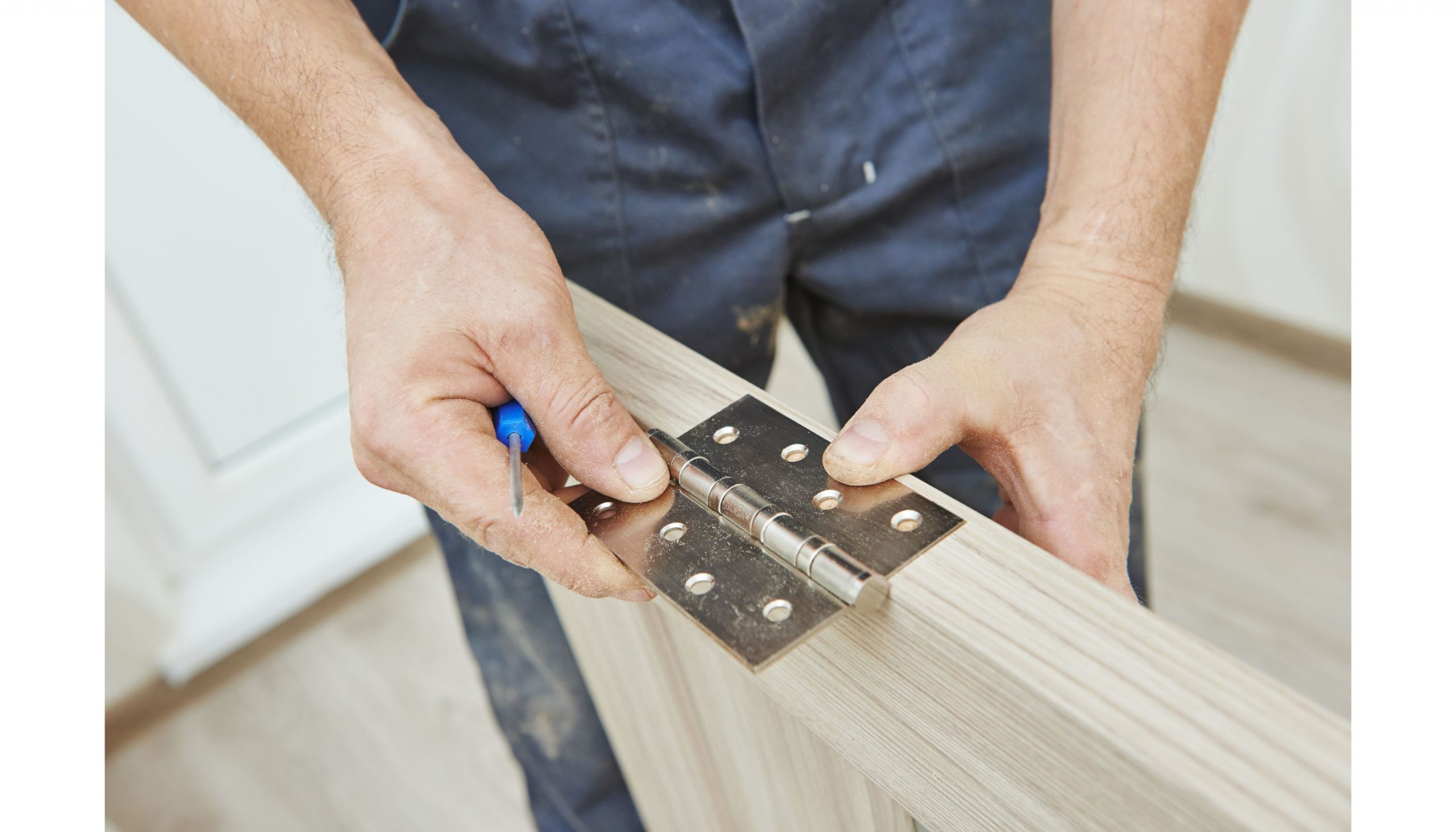
Door Adjustment
Doors that stick, drag, won't latch, or let in drafts fixed by our Long Island specialists — professional door adjustment and alignment for all exterior and interior door types.
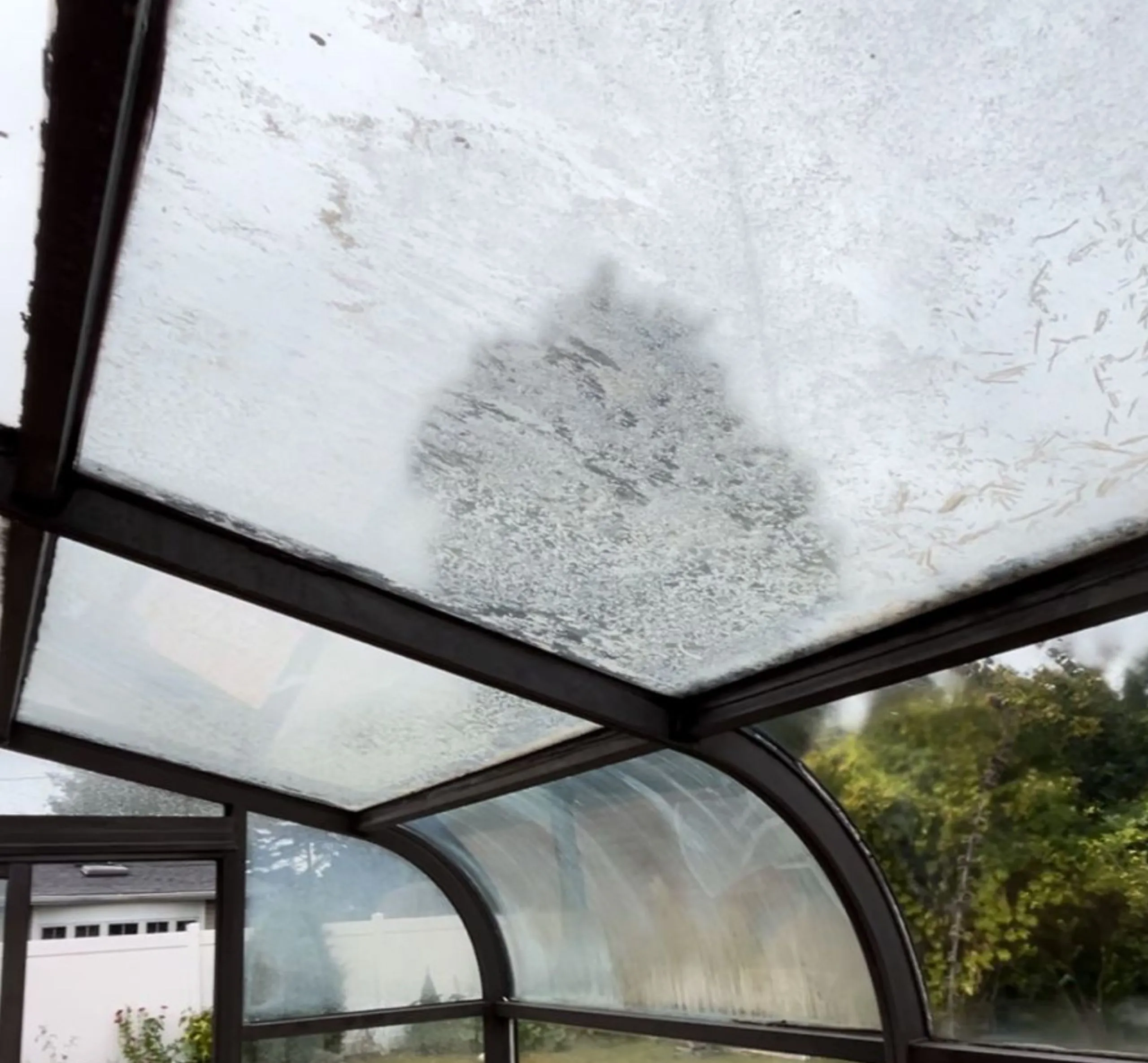
Sunroom Window Repair
Foggy panels, cracked glass, leaking seals, or stuck vents — we repair all sunroom window problems across Long Island, NY.