





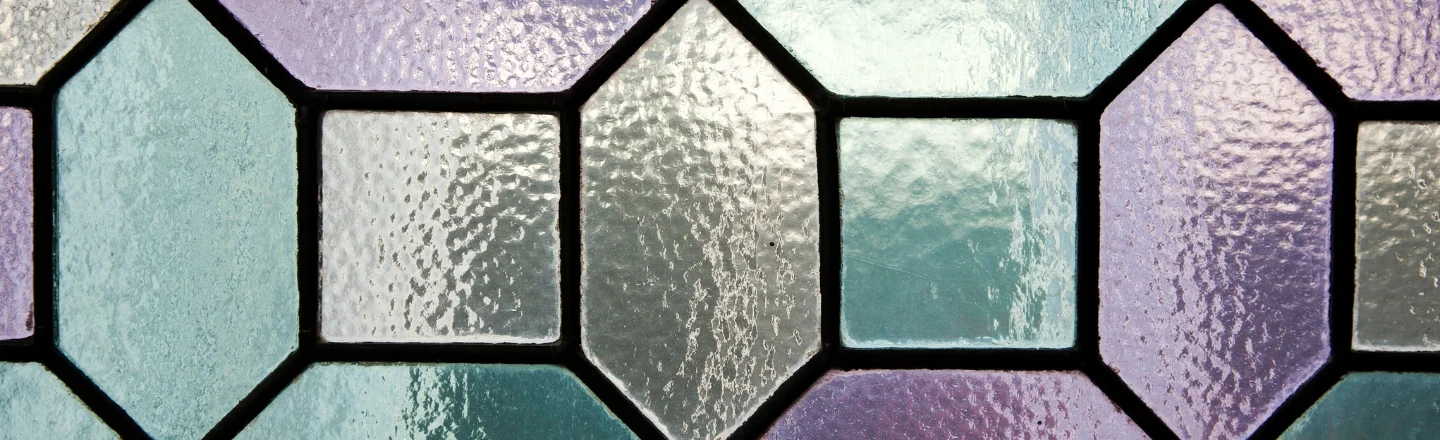
Stained Glass Window Repair, Production & Installation on Long Island
Stained glass windows are among the most irreplaceable features a home can have. Original panels in pre-war Long Island homes cannot be replicated by any modern alternative. We never recommend replacement when repair is feasible, original leaded glass is irreplaceable, and every repair is designed to preserve as much of the original material as possible.
When they crack, lose a piece of glass, or have their lead came deteriorate, they need a specialist who understands how they were made and how to restore them without destroying what makes them valuable. At Prestige Window Works, we provide stained glass window installation, restoration and repair services for properties across Nassau County and Suffolk County.
Whether you need a single broken piece of colored glass replaced in an original leaded panel, a complete restoration of a deteriorated window, or a custom new stained glass design produced and installed from scratch, we handle all of it.
Call 516-908-8005 for a free on-site consultation.
Call 516-908-8005 for a free on-site consultation.
Stained Glass Repair Across Long Island, NY
Repair is the most common stained glass call we receive from Long Island homeowners. Original leaded glass windows in pre-war homes deteriorate in predictable ways, and most of what goes wrong is fully repairable without removing or replacing the panel.
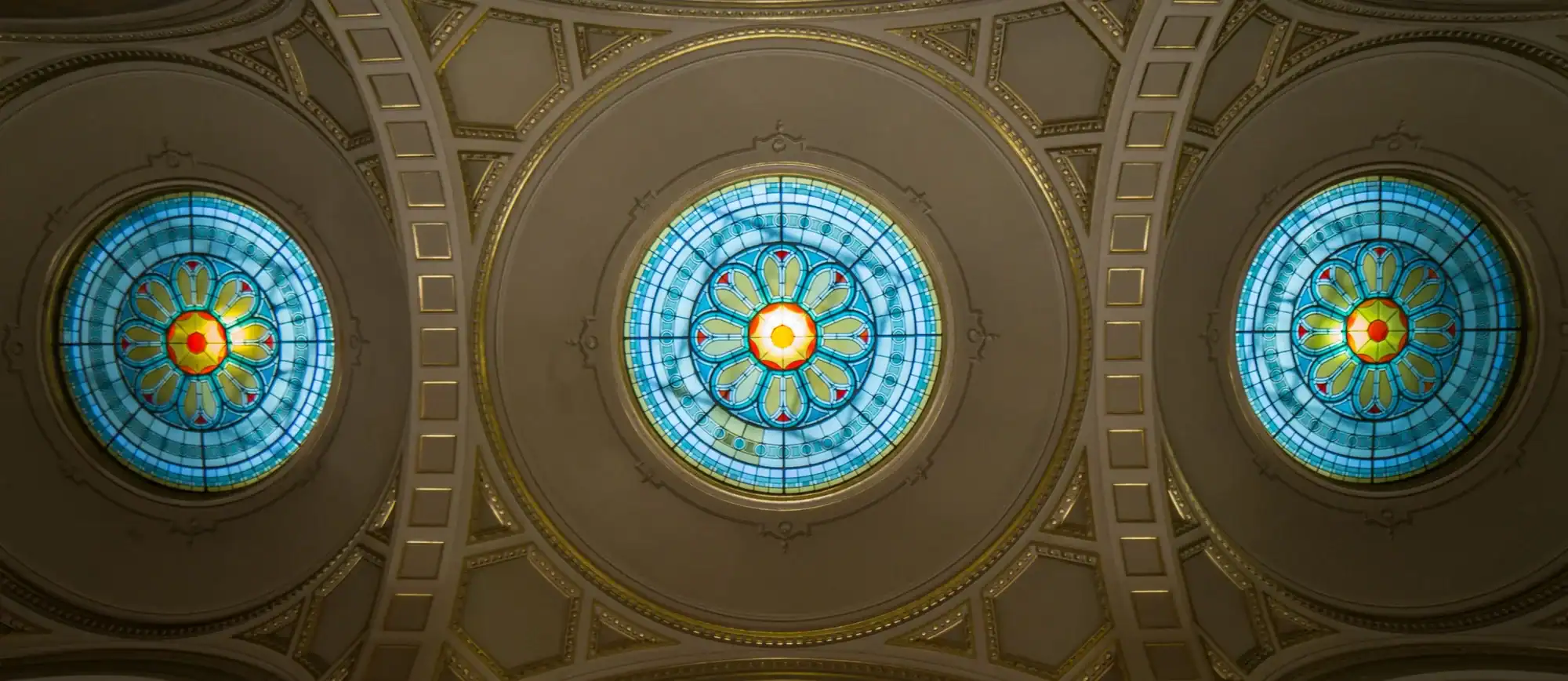
Broken or Missing Glass Pieces
Individual pieces of colored or textured glass within a leaded panel can crack or break from impact, thermal stress, or deteriorating lead came that no longer holds them securely.
This type of repair is most commonly needed in the historic homes of Old Westbury, Cove Neck, and Centre Island on Nassau County's Gold Coast, where pre-war estates still have original leaded glass in entry doors, sidelights, transoms, and interior room dividers.
This type of repair is most commonly needed in the historic homes of Old Westbury, Cove Neck, and Centre Island on Nassau County's Gold Coast, where pre-war estates still have original leaded glass in entry doors, sidelights, transoms, and interior room dividers.
Deteriorated Lead Came — Re-Leading
Lead came, the H-shaped lead strips that hold individual glass pieces together in a leaded panel, has a natural lifespan of approximately 75–100 years. In Long Island's climate, with its humidity, temperature cycling, and salt air near the coast, lead came can deteriorate significantly faster and the only correct repair is re-leading: the panel is carefully removed from its frame, all glass pieces are extracted and cleaned, the deteriorated lead came is stripped away, and the panel is rebuilt from scratch.
Broken Solder Joints
The solder joints at every intersection of lead came are what give a leaded glass panel its structural integrity. When solder joints crack or pull apart, typically from thermal cycling or physical stress, the panel loses rigidity and the glass pieces begin to shift.
We re-solder failed joints on-site for minor repairs, or as part of a full re-leading for panels with widespread joint failure.
We re-solder failed joints on-site for minor repairs, or as part of a full re-leading for panels with widespread joint failure.
Structural Reinforcement
Large leaded glass panels can bow under their own weight over decades, especially when the supporting frame has shifted or the came has softened. We reinforce bowing panels using zinc or steel re-bars soldered horizontally across the back of the panel at regular intervals, restoring flatness and preventing further distortion without re-leading the full panel. This is a common repair for original entry door glass panels in Laurel Hollow, Matinecock, and Mill Neck where historic entry door systems with large leaded panels are common.
Frame Seal and Protective Glazing
Original leaded glass panels are inherently fragile and drafty, they were designed for beauty, not insulation. We install protective glazing systems: a clear glass or polycarbonate panel installed in a secondary frame on the exterior side of an original leaded panel, protecting it from weather, impact, and heat loss while leaving the original panel fully intact and visible from the inside. This approach is standard practice in historic preservation and dramatically extends the life of original panels in active use.
Fogged or Failing IGUs
In many Long Island homes, original stained glass has been sandwiched inside a modern double-pane unit to improve insulation. Over time, the perimeter seal of these units can fail due to the island’s extreme temperature swings, causing permanent fogging or moisture trapped between the layers. We specialize in carefully de-glazing these units, cleaning the internal leaded panel, and resealing it within a fresh, nitrogen-filled insulated glass unit to restore clarity and thermal efficiency.
Common Custom Stained Glass Applications on Long Island, NY
- Entry door sidelights and transoms — adding architectural character to new construction or renovation
- Bathroom windows — full privacy combined with colored light and decorative character
- Kitchen cabinet glass inserts — a popular renovation request in Roslyn Heights and Port Washington where period-appropriate kitchen renovation is common
- Interior room dividers and feature panels
- Stair landing windows — large statement pieces in full-height stair windows
- Religious and institutional installations
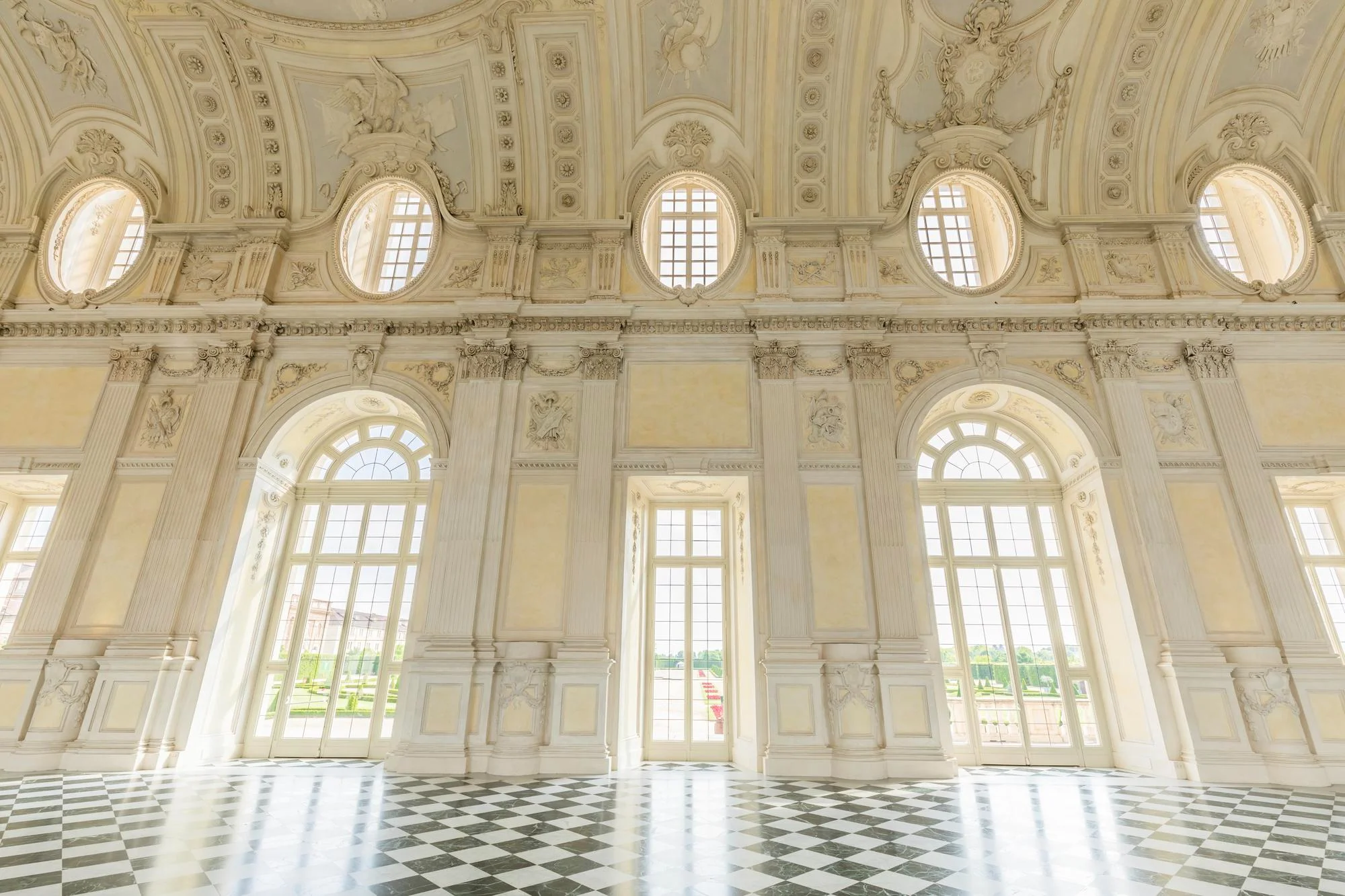
Stained Glass in Long Island's Historic Homes
Long Island has one of the highest concentrations of pre-war residential architecture in the United States. The Gold Coast estates of Nassau County's North Shore, the Victorian and Colonial Revival homes of Oyster Bay, Cold Spring Harbor, and Huntington, the early 20th century neighborhoods of Garden City and Hempstead — all of these communities contain homes with original leaded glass that is now 80–120 years old and in need of specialist attention.
Original leaded glass in these homes typically appears in:
We treat every original panel as the irreplaceable artifact it is. We never recommend replacement where repair is feasible, and we document the work we do so homeowners have a record of what repairs were performed and when.
Original leaded glass in these homes typically appears in:
- Entry door panels and sidelights — geometric or floral bordered designs with clear or lightly colored glass
- Transom windows above entry doors and interior doorways
- Stair landing windows — often the most elaborate single piece of decorative glass in the house
- Dining room and living room windows — particularly the upper fixed lights above double-hung windows
- Interior cabinet glass in butler's pantries and built-in cabinetry
We treat every original panel as the irreplaceable artifact it is. We never recommend replacement where repair is feasible, and we document the work we do so homeowners have a record of what repairs were performed and when.
Stained Glass Installation
Whether installing a newly produced custom panel or re-installing an original panel following repair, correct installation is critical. A leaded glass panel installed without proper support will bow under its own weight within years. We install all stained glass panels with:
For new installations into existing window openings, we assess the opening dimensions, frame condition, and structural support before beginning. See our side light glass replacement service for related entry door glazing work, and our historic window restoration service for broader preservation-standard window work on older Long Island properties.
- Correctly sized frame channels that support the panel at its perimeter without pinching the lead came
- Horizontal re-bar support soldered across the panel back for any panel over 18 inches in height
- Protective exterior glazing where weather exposure is a concern
- Proper bedding compound or glazing tape sealing the panel into its frame
For new installations into existing window openings, we assess the opening dimensions, frame condition, and structural support before beginning. See our side light glass replacement service for related entry door glazing work, and our historic window restoration service for broader preservation-standard window work on older Long Island properties.
Stained Glass Services Across Long Island, NY
We provide stained glass production, installation, and repair throughout Nassau County and Suffolk County, serving residential and commercial clients from our offices in Manhasset and Hauppauge.
Nassau County — including Old Westbury, Cove Neck, Laurel Hollow, Mill Neck, Matinecock, Oyster Bay
Suffolk County — including Cold Spring Harbor, Huntington, Northport, Centerport
Call 516-908-8005 to discuss your stained glass project.
Nassau County — including Old Westbury, Cove Neck, Laurel Hollow, Mill Neck, Matinecock, Oyster Bay
Suffolk County — including Cold Spring Harbor, Huntington, Northport, Centerport
Call 516-908-8005 to discuss your stained glass project.
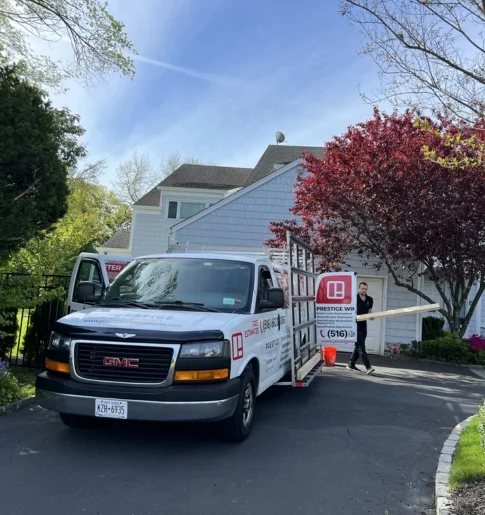
Get a Free Quote for Stained Glass Work in Long Island, NY
Get a free quote
Whether you need a broken leaded glass panel repaired, or a deteriorated window re-leaded — call 516-908-8005 or fill out the form below to arrange a free on-site consultation.
THE MOST POPULAR QUESTIONS
Can a broken piece of stained glass be replaced without rebuilding the whole panel?
Yes, in most cases. If the lead came surrounding the broken piece is still sound, we can carefully extract the broken glass, cut a replacement piece in the matching color and texture, and re-lead it into the existing panel. The repair is virtually invisible in the finished panel. Re-leading the entire panel is only necessary when the came itself has deteriorated across a significant portion of the panel, or when the panel has bowed or lost structural integrity.
How do I know if my leaded glass needs re-leading?
Press gently on the face of the panel, sound lead came feels firm and rigid. If the panel flexes significantly, or if you can see the came bowing or buckling between glass pieces, the came has softened and re-leading is the correct solution. Other signs include glass pieces that rattle in their openings, solder joints that have visibly cracked or pulled apart, and a panel that has developed a noticeable bow or sag from edge to edge.
How long does stained glass repair take?
Minor repairs, e.g. replacing a single piece of glass or re-soldering a few failed joints, are often completed in a single on-site visit. Re-leading a full panel requires workshop time: the panel is removed, rebuilt in our workshop over 5–10 business days depending on size, then reinstalled. Custom panel production takes 2–10 weeks depending on design complexity and size.
How much does stained glass repair cost in Long Island?
Single glass piece replacement cost is defined by glass availability and accessibility. Custom panel production is priced individually based on design complexity, glass selection, and panel size. We provide a detailed written quote after the design consultation.
Can you match the original glass color in an old panel?
In most cases, yes. Art glass manufacturers produce a wide range of colors, textures, and opacities, and most standard cathedral and opalescent colors used in pre-war American leaded glass are still in current production. For unusual colors or textures from specific historical periods, we source from salvage glass suppliers who specialize in period glass from demolished historic buildings. A perfect match is not always possible, but a match that is unnoticeable in the installed panel almost always is.
Do you install protective glazing over original stained glass panels?
Yes, and we strongly recommend it for any original panel that is exterior-facing. Protective glazing, i.e. a clear glass or polycarbonate panel in a secondary frame mounted on the exterior side of the original panel, protects original leaded glass from weather, impact, and vandalism while leaving the original fully intact and visible from inside. It also significantly improves the thermal performance of the opening. This is the preservation-standard approach recommended by the National Park Service for historic buildings.