





Rotten Window Repair in Great Neck, NY
Wood rot in window frames does not stop on its own. It does not plateau, it does not stabilise, and it does not respond to paint. Left unaddressed, it continues advancing through the wood fiber — through the frame corner joint, into the adjacent sill, up into the head jamb — until the structural function of the frame is compromised and water has found a path behind the exterior cladding. On a home with a stucco exterior like this one in Great Neck, that path behind the wall is particularly consequential: stucco traps moisture once it gets in, and remediation behind stucco involves significantly more than fixing the window frame that let the water through.
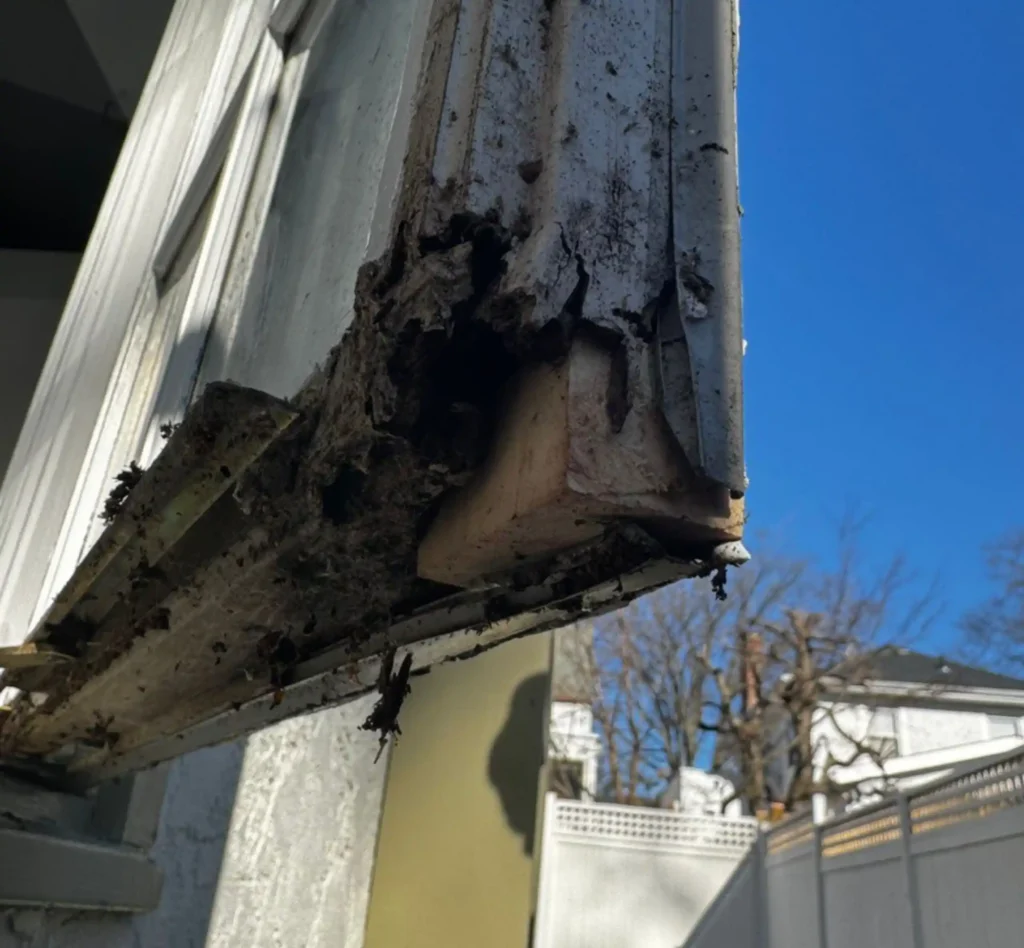
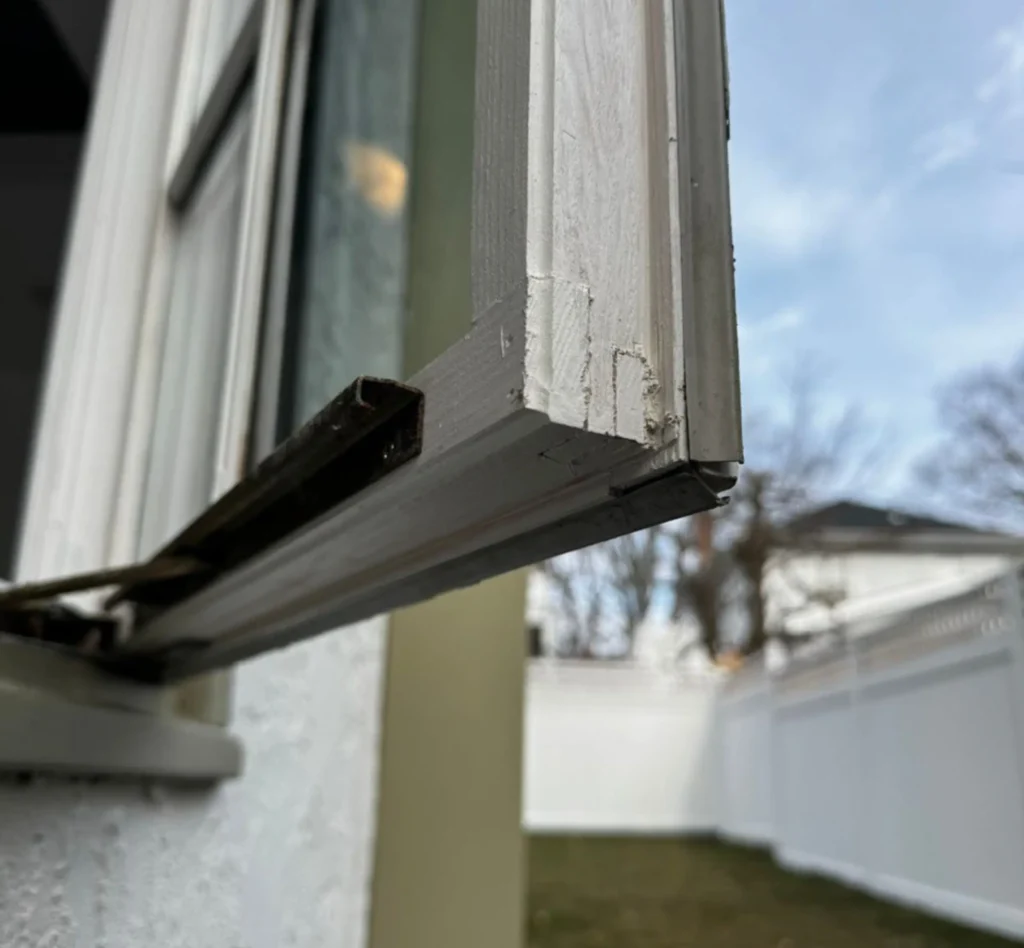
The homeowner here caught it — not early, but in time. The before photo shows a window frame upper corner in a state of advanced structural rot: black, crumbling, paint lifted entirely, biological growth present in the degraded material. The after photo shows the same corner rebuilt, painted, sealed, and sound. What happened between those two photos is a precise, methodical process that leaves no rot behind and no path for it to return.
How Far the Rot Had Gone — Explaining the Before Photo
The before photo is an exterior close-up of the upper corner junction of a white-painted wood window frame, shot from below at an angle. What it shows is severe structural rot at the corner joint where the head jamb and the side jamb meet — the precise location where two pieces of wood are joined, where paint coverage is thinnest at the joint seam, and where water that runs down the frame face collects and sits.
The wood in this section is not merely soft or discoloured. It has lost structural integrity entirely — the surface is black, the material is fragmenting, and significant portions of the frame corner have already separated and fallen away. The paint has not peeled in the typical sense but has lifted from below as the wood substrate beneath it swelled, degraded, and shrank through repeated moisture cycling. Biological growth — mould and algae — is visible in the darkest areas where moisture has been retained longest.
This represents rot that has been developing for multiple seasons beneath intact-looking paint on the surrounding surfaces. The sections of the frame that appear sound in the wider photo have likely been concealing earlier-stage rot in their own joints and grain — which is why our rotten window repair process includes probing well beyond the visible damage before determining the repair boundary. On this Great Neck project, the full extent of compromised material was significantly larger than the visible surface deterioration suggested.
The stucco exterior wall visible behind the frame corner is a critical detail. Stucco is a rigid cladding material that relies entirely on the window frame perimeter sealing to keep water out of the wall cavity behind it. When that frame corner fails — as it had here — water has been entering the wall cavity on every rain event for as long as the rot has been present. Addressing the window frame rot is the priority, but the adjacent stucco should be inspected for any sign of moisture intrusion behind the cladding before the repair is fully closed out.
The Repair — No Rot Left, No Path Back
Structural rot repair done correctly follows a non-negotiable sequence. There is no shortcut in any step, and skipping any one of them guarantees that the rot returns.
Step One — Complete Rot Removal
Every trace of compromised wood material was removed from the affected corner and the surrounding frame sections identified during probing. “Every trace” means exactly that — not the soft, crumbling material that is visibly rotted, but also the adjacent wood that probing identifies as structurally weakened even though it has not yet reached visible failure. Rot-damaged wood that is left in place because it still looks like wood becomes the re-infection point for the repaired section within one or two seasons.
On this Great Neck project, the removal extended beyond the visible corner failure into sections of the head jamb and side jamb where the wood fiber had been weakened by moisture cycling, even though those sections had not yet reached the black, crumbling state visible in the before photo.
Step Two — Borate Treatment
Once all compromised material was removed, the exposed wood surfaces — the sound wood at the repair boundary and the adjacent frame sections — were treated with professional-grade borate fungicide. Borate treatment kills the fungal organisms responsible for the rot and penetrates the surrounding wood to protect it from reinfection. This is the step that most contractors skip, and it is the step that most determines whether a rot repair holds for twenty years or fails again in three.
Without borate treatment, the fungal spores that caused the original rot remain in the surrounding wood. The new epoxy fill gives them a surface to grow on once moisture returns — and moisture always returns. With borate treatment, the surrounding wood is protected and the repaired section has the conditions to remain sound.
Step Three — Epoxy Rebuild
The void created by rot removal was rebuilt using two-part epoxy wood filler — a rigid, structurally capable material that bonds permanently to the surrounding wood, accepts paint identically to wood, and is not susceptible to rot or moisture damage once cured. Unlike wood filler or caulk, structural epoxy restores the load-bearing profile of the frame corner, allowing the frame to function as a frame rather than as a painted void.
The epoxy was applied in correctly sized lifts to ensure full cure throughout the repair depth, then shaped and sanded to restore the original frame profile. See our full rotten window repair service for the complete technical approach we use on Long Island wood window frames.
Step Four — Sealing and Painting
The repaired section and all adjacent joint lines were sealed with exterior-grade caulk before priming and painting. Sealing the joint lines is where the water exclusion actually happens — paint alone does not waterproof a wood joint. The repaired section was primed with an oil-based primer appropriate for the epoxy substrate, then finish-painted to match the existing white frame. The frame perimeter against the stucco was recaulked with exterior-grade sealant as part of our standard window recaulking process for any rot repair project.
Why Great Neck Window Frames Are Particularly Vulnerable
Great Neck is a peninsula — literally surrounded on three sides by water, with Manhasset Bay to the west, Little Neck Bay to the east, and Long Island Sound to the north. The combination of salt-influenced coastal air, significant tree canopy throughout the residential neighbourhoods, and the older housing stock that characterises much of the peninsula creates exactly the conditions in which wood window frame rot develops fastest on Long Island.
The North Shore moisture pattern is different from the South Shore. Long Island Sound’s proximity means that even landlocked streets in Great Neck experience coastal air movement that inland Nassau communities do not. Combined with the mature oak and maple canopy that shades many of Great Neck’s residential streets — keeping window sills damp for hours longer after rain than on exposed elevations — the environment is one where wood frame maintenance cycles need to be shorter than homeowners typically assume.
We see this pattern consistently across the Great Neck area and the surrounding North Shore communities. Homes that were perfectly maintained ten years ago have frame corners in various stages of the rot progression visible in this before photo, because the environmental pressure has been continuous and the maintenance intervals have not matched it.
Rotten Window Repair in Great Neck, NY
Great Neck is an incorporated village — technically a collection of eight incorporated villages — in the Town of Great Neck on Nassau County’s North Shore, bordered by Manhasset to the west and Kings Point to the northeast. Its residential character ranges from the modest pre-war housing stock in the Great Neck village centre to the substantial estates along the waterfront in Kings Point and Saddle Rock.
Homeowners searching for rotten window frame repair in Great Neck, NY or wood rot window repair on the Nassau County North Shore can reach us at 516-908-8005. We serve Great Neck from our Manhasset office — one town to the west — and complete rot repair throughout the surrounding North Shore communities including Kings Point, Manhasset, Port Washington, Roslyn, and Sands Point.
Related Services on Wood Window Frame Projects
Rotten frame repair is rarely the only service needed on an older Long Island wood window. When we assess a window with structural rot, we evaluate the full picture — because addressing the rot while leaving adjacent deterioration in place produces a repair that fails before it should. Related services we assess and complete alongside rot repair include:
Wood window and door repair — sash restoration, glazing compound replacement, and balance servicing on the same window where frame rot is being repaired, so the window functions correctly after the frame is sound
Window glass replacement — IGU seal failure or cracked panes addressed at the same visit when present alongside frame rot
Window adjustment — sashes that have been swelling against a rotted frame section often need adjustment after the rot is removed and the frame profile is restored
Window recaulking — full frame perimeter sealing completed as standard on every rot repair project, closing all water entry paths at the conclusion of structural work
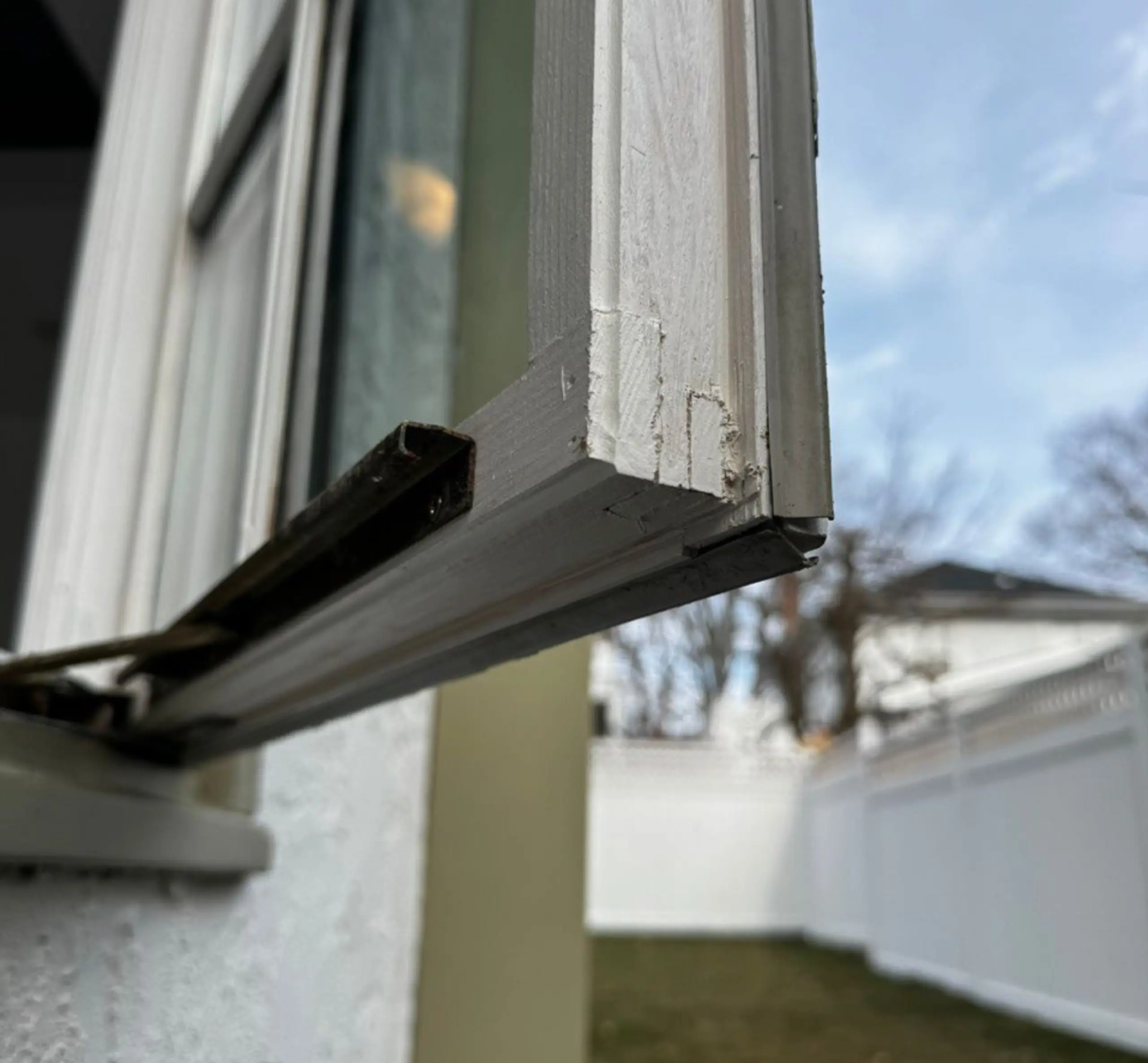

Complete Rot Removal
We remove every trace of compromised wood — including the structurally weakened material adjacent to the visible failure — because rot that is left in place becomes the reinfection point for the repair within two seasons.
Stucco Exterior Awareness
On stucco-clad homes like this Great Neck project, we inspect the adjacent stucco perimeter for moisture intrusion signs before closing out the repair — because a failed window frame on a stucco home means water has been entering the wall cavity.
5-Year Workmanship Warranty
Every rotten window frame repair we complete on Long Island is backed by a 5-year workmanship warranty. If any aspect of the repair fails within that period, we return and address it at no charge.
View our before and after photos


THE MOST POPULAR QUESTIONS
other services we provide
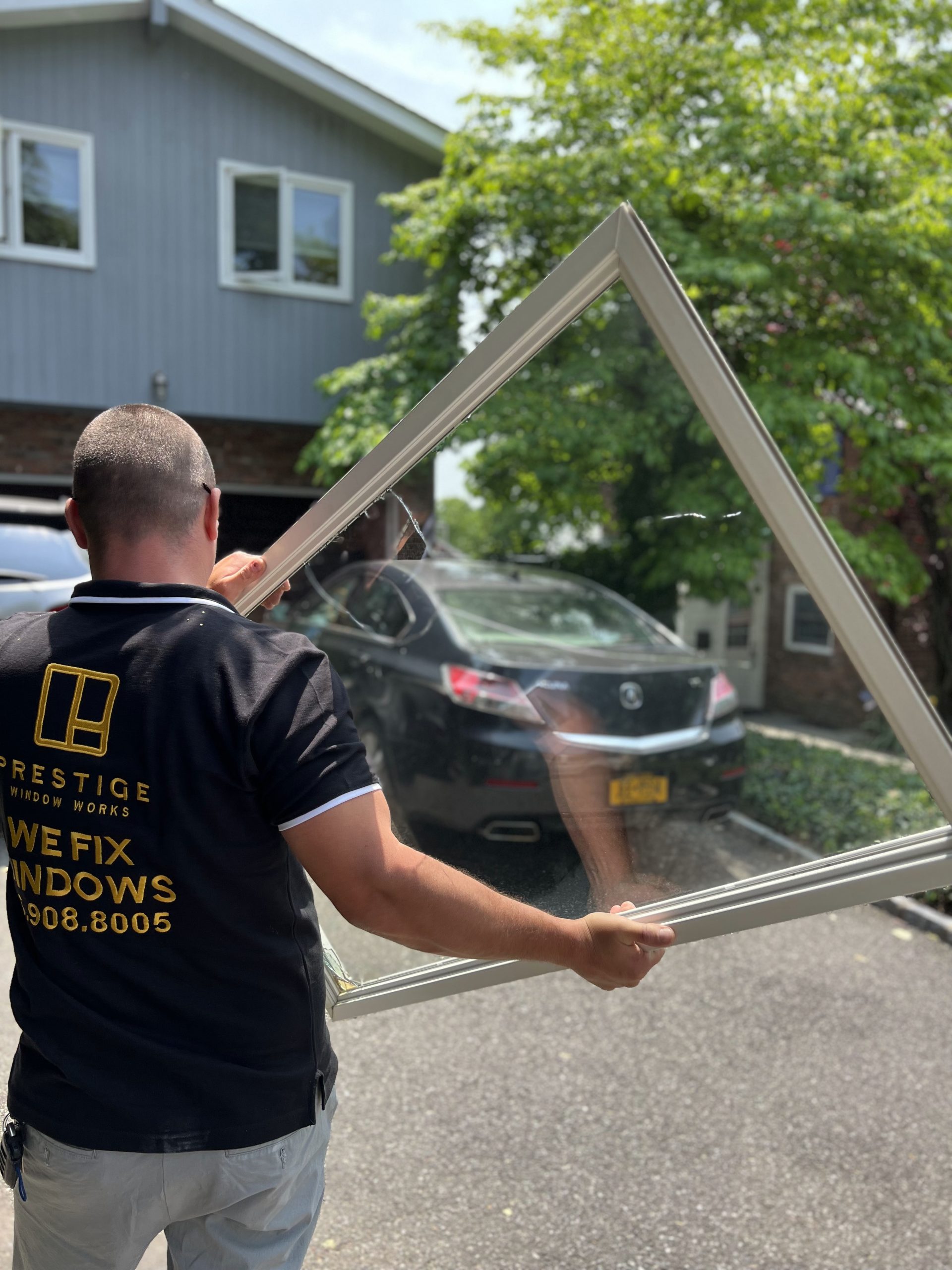
Glass Cutting
Custom glass cutting on Long Island — single pane, tempered, laminated & specialty glass cut to size for windows, doors & enclosures.
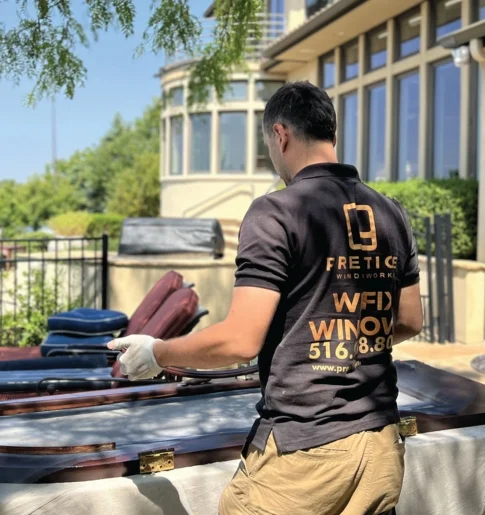
Wood Window and Door Repair
We restore original wood windows across Long Island — no replacement needed, just expert repair backed by a 5-year warranty.
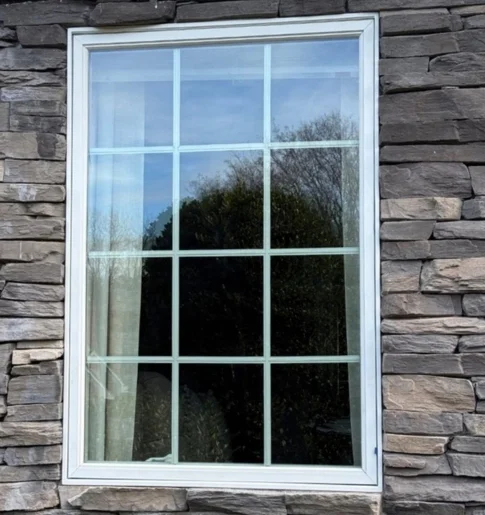
Window Reglazing
We provide window reglazing throughout Nassau and Suffolk County — all reglazing work is backed by our 5-year workmanship warranty.
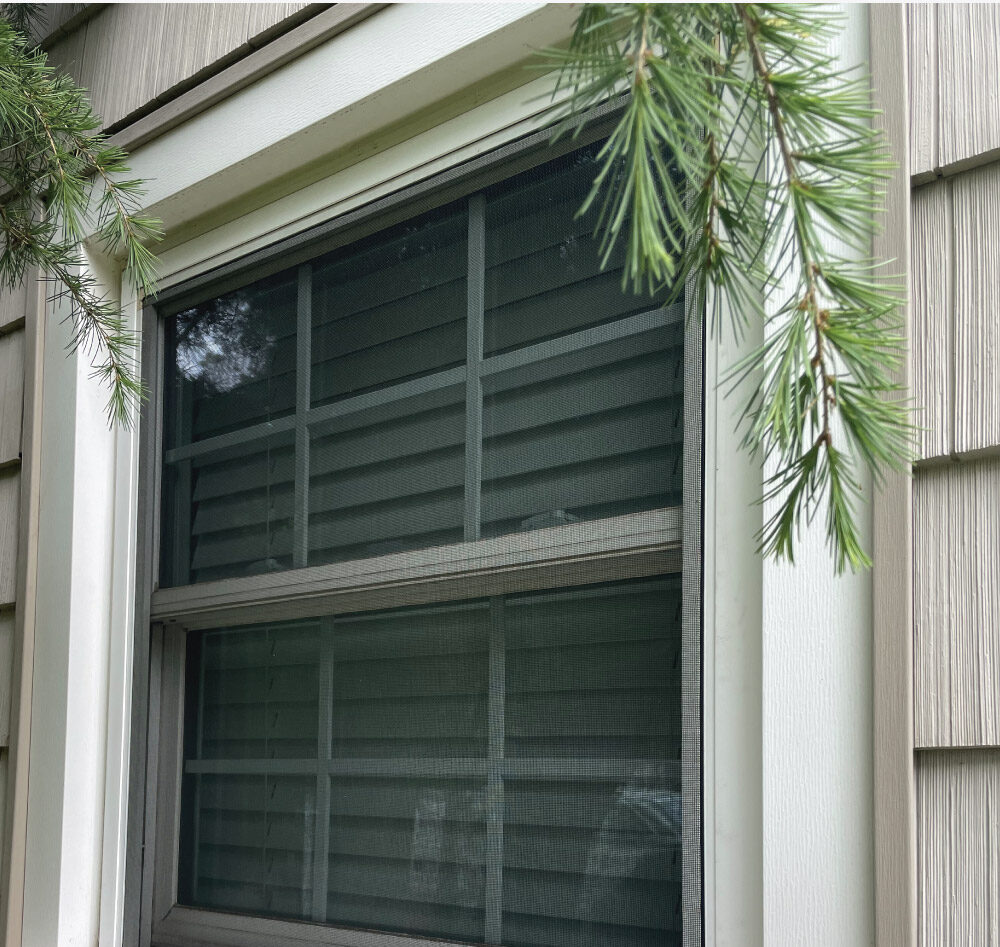
Window Adjustment
Windows that stick, gap, or won't close flush are fixed fast — professional window adjustment across Long Island with same-day availability.
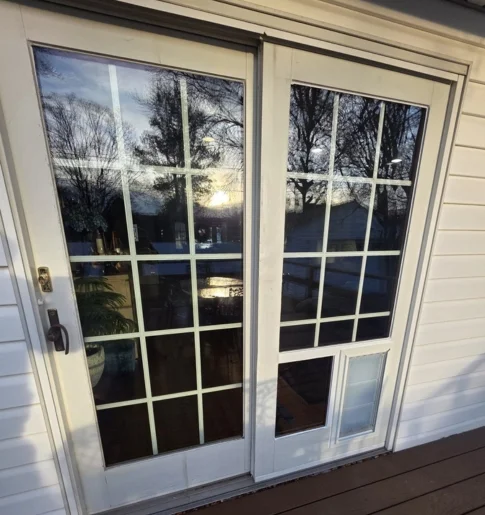
Dog Door Installation
We install pet doors through glass panels, sliding doors, and French doors across Nassau and Suffolk County.